- Shop All
- Replacement Parts
- Performance Parts
- Accessories
- Oil & Fluids
- Special Offers
- Advance Rewards
- Advice & How-Tos
- Project Guides
Oil Filter
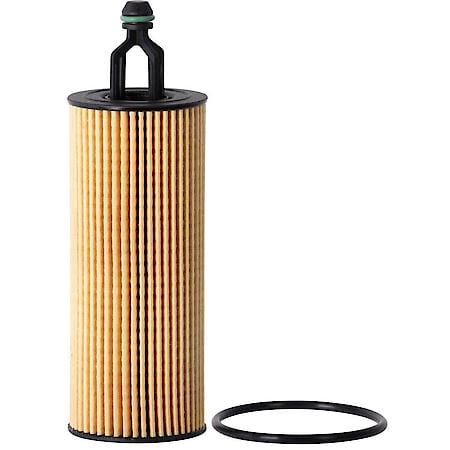
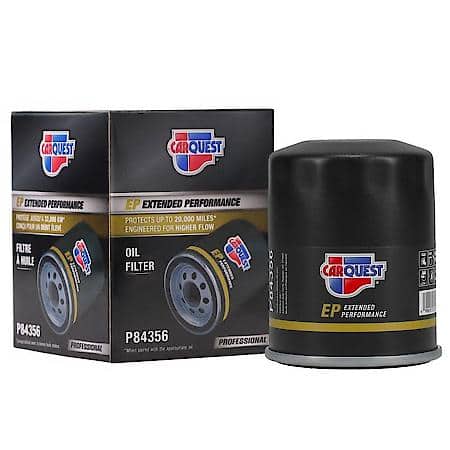
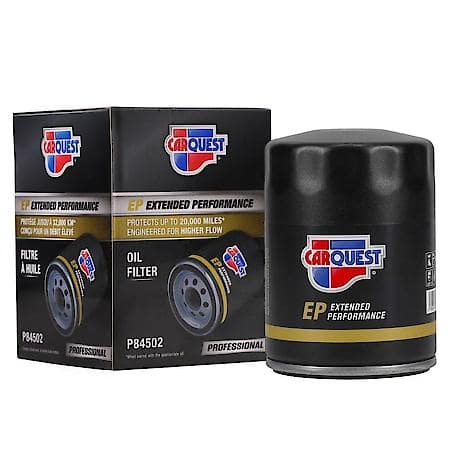
You know about the importance of changing your motor oil at regular intervals, but don't forget about the oil filter! The element in the oil filter traps the carbon, metal shavings, and other contaminants that are the byproducts of combustion, in sizes down to a couple of microns (smaller than a human hair). Our oil filters have a vast array of features depending on the brand, including 100% textured grip, synthetic fibers, and extended haul performance for long-haul vehicles. We've got oil filters from top brands like FRAM, K&N, Purolator, Mobil 1, Carquest, and much more, right here at Advance.


Same Day Home Delivery
Not Available For This Item
Home Delivery
Not available for this item
Same Day Home Delivery
Not Available For This Item
Home Delivery
Not available for this item

Same Day Home Delivery
Not Available For This Item
Home Delivery
Not available for this item

Same Day Home Delivery
Not Available For This Item
Home Delivery
Not available for this item
Same Day Home Delivery
Not Available For This Item
Home Delivery
Not available for this item
Same Day Home Delivery
Not Available For This Item
Home Delivery
Not available for this item

Same Day Home Delivery
Not Available For This Item
Home Delivery
Not available for this item

Same Day Home Delivery
Not Available For This Item
Home Delivery
Not available for this item

Same Day Home Delivery
Not Available For This Item
Home Delivery
Not available for this item

Same Day Home Delivery
Not Available For This Item
Home Delivery
Not available for this item

Same Day Home Delivery
Not Available For This Item
Home Delivery
Not available for this item

Same Day Home Delivery
Not Available For This Item
Home Delivery
Not available for this item

Same Day Home Delivery
Not Available For This Item
Home Delivery
Not available for this item

Same Day Home Delivery
Not Available For This Item
Home Delivery
Not available for this item

Same Day Home Delivery
Not Available For This Item
Home Delivery
Not available for this item

Same Day Home Delivery
Not Available For This Item
Home Delivery
Not available for this item

Same Day Home Delivery
Not Available For This Item
Home Delivery
Not available for this item

Same Day Home Delivery
Not Available For This Item
Home Delivery
Not available for this item
Oil Filters for Replacement, Repair and More
When selecting oil filters for your vehicle's maintenance or repairs, it's essential to consider several key factors to ensure optimal performance and longevity. First, check your vehicle’s make, model, and year to identify the correct filter specifications, as different engines require specific filter types. Look for oil filters that meet or exceed OEM (Original Equipment Manufacturer) standards, as these are designed to provide the best filtering capabilities and engine protection. Additionally, consider the filter's construction and quality; filters with higher filtration efficiency and synthetic media can trap smaller contaminants, providing better protection. It's also wise to review the filter's flow rate and capacity to ensure it can handle your engine's requirements under various conditions. Lastly, pay attention to features like anti-drainback valves and bypass valves, which enhance performance in high-temperature or cold-start situations. By taking these factors into account, you can choose an oil filter that meets your vehicle's needs and ensures its longevity.
Oil Filters Prices, Brands & Ratings
Advance Auto Parts customers consistently choose to buy Oil Filters from trusted brands like Purolator, Carquest, K&N, and Motorcraft for their reliability and positive ratings. As of 8/2/26, the Oil Filters listed below are the ones our customers have preferred most, offering compatibility with a wide array of leading vehicle manufacturers including Chevrolet, Dodge, Ford, Mercury, and 144 other popular makes. These best-selling Oil Filters are priced between $5.79 and $39.99. However, please note that prices may fluctuate based on your location's availability. To ensure a seamless match with your vehicle, we invite you to use the "Add Vehicle" tool in the top menu, or explore the Oil Filter options. Trust in Advance Auto Parts to provide you with high-quality Oil Filters to meet your specific car maintenance or project needs.
Oil filters clean the engine oil as it circulates through layers of synthetic fibers or pleated paper within the filter. This filtration captures and holds various sizes of particulate matter, from large debris to microscopic particles, ensuring that only clean oil flows back into the engine. This process is essential for maintaining the oil’s viscosity and lubrication properties over time.
We advise you to replace your oil filter every time you change your oil to prevent potential clogging and ensure engine efficiency. This generally means changing the filter every 3,000 to 5,000 miles for conventional oil and up to 20,000 miles for synthetic oil, which contains properties to help keep your engine cleaner. Consider more frequent changes if your driving involves harsh conditions like dust or extreme temperatures.
A bad oil filter can reduce engine performance by restricting oil flow. Without proper oil flow, your engine will have more friction and heat, causing it to overheat, stall, or fail. Regular filter changes ensure consistent oil flow and pressure, keeping your engine running smoothly.
Oil filters differ in size, filtration capacity, and features to suit various engine types and conditions. Using the wrong type of filter can result in improper fit, leaks, or inadequate filtration, so it's crucial to select the one specified by your vehicle’s manufacturer.
You’ll mainly hear metallic noises from your engine due to poor lubrication, dark smoke in your exhaust, and the oil pressure warning light comes on in your instrument cluster. Hopefully, you should replace your oil filter regularly to avoid these symptoms, but if you do, it’s time to replace it as soon as possible to ensure your engine’s performance and longevity.
Neglecting to change your oil filter can lead to a build-up of contaminants, which can clog the filter, restricting oil flow. This ultimately leads to increased engine wear, higher operating temperatures, and reduced engine efficiency, potentially resulting in severe engine damage.
Many vehicle owners can replace their oil filters without professional help. The process typically involves removing the old filter, applying fresh oil to the new filter gasket, and installing the new filter. However, follow specific instructions for your vehicle to avoid cross-threading or over-tightening the filter.
Due to higher-quality materials and advance construction techniques, expensive oil filters often provide superior filtration and a longer lifespan. Cheaper filters may not perform as effectively or last as long, potentially requiring more frequent replacements and risking damage to your engine.
Some oil filters are better for filtering synthetic oils, as they can handle longer service intervals and have features capable of catching finer particles. These filters are often more expensive than conventional oil filters, but they keep your engine running longer.
Proper disposal of used oil filters is crucial for environmental protection, as they contain toxic particles that can damage the environment and aren’t biodegradable. After draining the old oil, bring your used filters to use where we can properly dispose of and recycle the oil filter. From here, we can prevent any harm to the environment.