- Shop All
- Replacement Parts
- Performance Parts
- Accessories
- Oil & Fluids
- Special Offers
- Advance Rewards
- Advice & How-Tos
- Project Guides
Oil Pan
Every engine needs a healthy reservoir of oil to help keep it cool as it endures intense levels of power and friction. Your oil pan is mainly responsible for providing this reservoir by storing all your oil as it circulates throughout your engine. Located at the bottom of the engine, a functioning oil pan ensures there is enough oil to properly lubricate all of the oil parts, which may endure plenty of friction in harsh driving conditions. Without this reservoir, the more friction your engine will endure, the more wear it will wear on engine parts, potentially leading to engine failure.
If you find your vehicle is leaking oil, you may need to replace your oil pan. Doing so will help keep a steady oil level available for your engine. Advance Auto Parts has you covered here. We provide a wide selection of oil pans that you can easily buy online or in-store. We're also happy to answer any questions about which oil pan may suit your vehicle and any application recommendations.

Same Day Home Delivery
Not Available For This Item
Home Delivery
Not available for this item
Same Day Home Delivery
Not Available For This Item
Home Delivery
Not available for this item

Same Day Home Delivery
Not Available For This Item
Home Delivery
Not available for this item

Same Day Home Delivery
Not Available For This Item
Home Delivery
Not available for this item

Same Day Home Delivery
Not Available For This Item
Home Delivery
Not available for this item

Same Day Home Delivery
Not Available For This Item
Home Delivery
Not available for this item

Same Day Home Delivery
Not Available For This Item
Home Delivery
Not available for this item

Same Day Home Delivery
Not Available For This Item
Home Delivery
Not available for this item
Same Day Home Delivery
Not Available For This Item
Home Delivery
Not available for this item
Same Day Home Delivery
Not Available For This Item
Home Delivery
Not available for this item

Same Day Home Delivery
Not Available For This Item
Home Delivery
Not available for this item
Same Day Home Delivery
Not Available For This Item
Home Delivery
Not available for this item
Same Day Home Delivery
Not Available For This Item
Home Delivery
Not available for this item

Same Day Home Delivery
Not Available For This Item
Home Delivery
Not available for this item

Same Day Home Delivery
Not Available For This Item
Home Delivery
Not available for this item

Same Day Home Delivery
Not Available For This Item
Home Delivery
Not available for this item

Same Day Home Delivery
Not Available For This Item
Home Delivery
Not available for this item
Same Day Home Delivery
Not Available For This Item
Home Delivery
Not available for this item
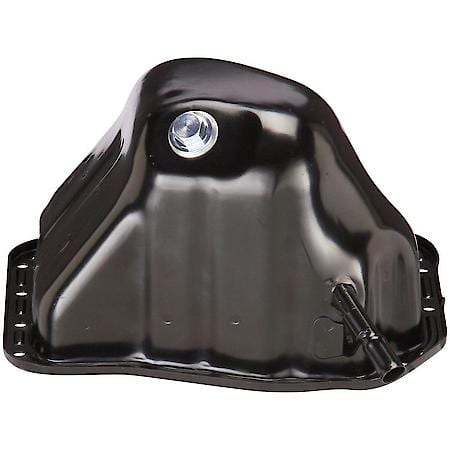
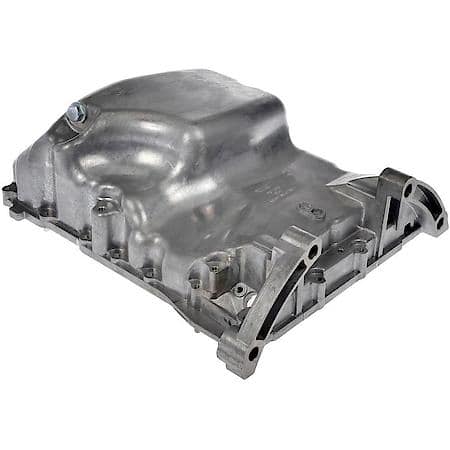
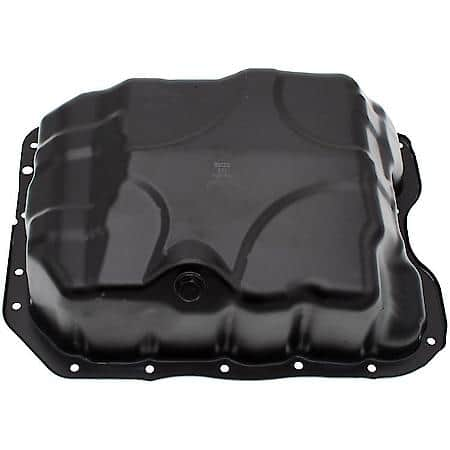
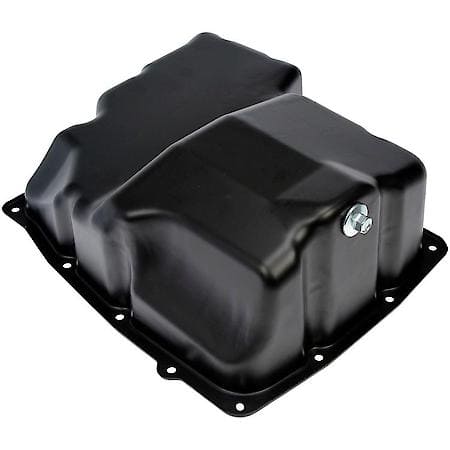
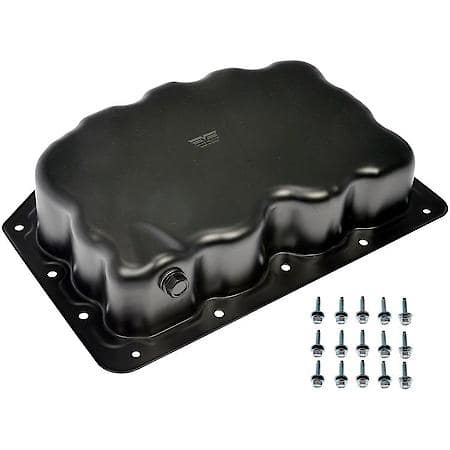
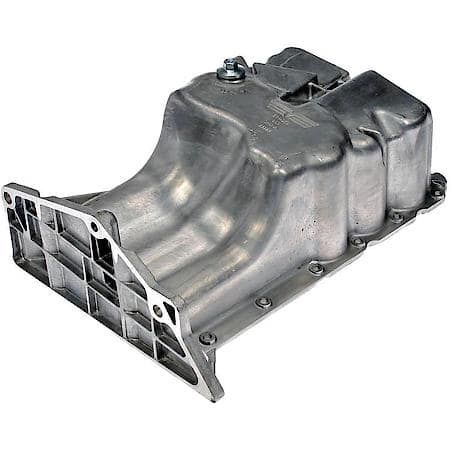
An oil pan is a metal container attached to the bottom of an engine. It serves as a reservoir for engine oil, which lubricates the engine's moving parts. The oil pan also typically includes a drain plug that you can unfasten to drain your oil when changing it regularly.
You should inspect your oil pan whenever you change your oil, which may be 3,000 to 10,000 miles, depending on the oil you use, your manufacturer's recommendations, and the driving conditions your engine endures. If you notice any damage or leaks during these oil changes, you may need to replace it. Ideally, an oil pan should last the entire lifetime of a vehicle, but accidents happen, and if damaged, it could cause more problems to your engine.
Replacing an oil pan can be relatively easy, depending on where it is located in your vehicle. Many vehicles may have brackets, bolts, gaskets, and other parts that block entry to the oil pan, but your owner's manual can help highlight these parts and how to remove them if needed. When removing the pan, be conscientious of any existing oil, as it can easily spill as you remove it.
You'll need to replace your oil pan if you see any leaks during and in between oil changes, if you stripped the drain plug threads when overtightening the drain plug, if you frequently have low oil levels even if you regularly top off your oil reservoir, or if your oil pan is damaged. If you notice any of these signs, it is essential to address them promptly to prevent engine damage.
Oil pans can be damaged by road debris, driving over obstacles, or hitting potholes. Corrosion from exposure to road salts and harsh environmental conditions can also weaken the oil pan over time, leading to leaks and other issues.
Oil pans are typically stamped steel or cast aluminum. Steel oil pans are more common due to their durability and cost-effectiveness, while aluminum oil pans are lighter and offer better heat dissipation.
To prevent oil pan damage, avoid driving over road debris and potholes. You can also inspect your vehicle's suspension to ensure it is in good enough condition to handle unexpected impacts. If you're worried, install a skid plate underneath your vehicle to provide additional protection for the oil pan.
Yes, a damaged oil pan can lead to oil leaks, resulting in low oil levels and inadequate lubrication of engine parts. This can cause increased friction, overheating, and potential engine damage, significantly affecting your engine's performance.
If you notice an oil leak, it is essential to address it promptly. Check the oil pan and drain plug for damage or loose fittings. If the issue persists, consult a professional mechanic to diagnose and fix the problem to prevent further damage to your engine.
Choosing the right oil pan involves considering your vehicle's make, model, and engine specifications. Consult your vehicle's owner manual or an Advance Auto Parts employee to ensure compatibility. With our help, you can select an oil pan made from high-quality materials that meet your vehicle's needs.