- Shop All
- Replacement Parts
- Performance Parts
- Accessories
- Oil & Fluids
- Special Offers
- Advance Rewards
- Advice & How-Tos
- Project Guides
Battery
Your car battery is an essential part of your car's overall health. Did you know that hot weather can be more of a drain on your car battery than cold weather? Make sure your car starts and runs efficiently with the best auto batteries from OPTIMA, and DieHard.
Visit our stores to get free car battery testing and installation for most makes and models. We also provide car battery recycling. Don't wait until your car won't start, if your car battery is more than three years old (check the sticker on the top of the battery for the installation date), we suggest you test and upgrade your car battery today. To learn more about which battery is best for you, view our car battery features chart.
Buy car batteries online or visit your local Advance Auto Parts to find a car battery near me and have one of our knowledgeable Team Members help.


Same Day Home Delivery
Not Available For This Item
Home Delivery
Not available for this item

Same Day Home Delivery
Not Available For This Item
Home Delivery
Not available for this item

Same Day Home Delivery
Not Available For This Item
Home Delivery
Not available for this item

Same Day Home Delivery
Not Available For This Item
Home Delivery
Not available for this item

Same Day Home Delivery
Not Available For This Item
Home Delivery
Not available for this item

Same Day Home Delivery
Not Available For This Item
Home Delivery
Not available for this item

Same Day Home Delivery
Not Available For This Item
Home Delivery
Not available for this item

Same Day Home Delivery
Not Available For This Item
Home Delivery
Not available for this item

Same Day Home Delivery
Not Available For This Item
Home Delivery
Not available for this item

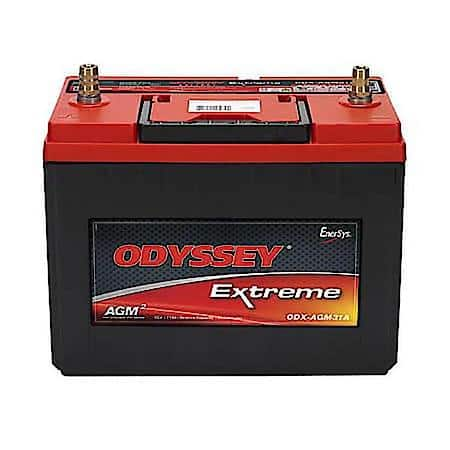
Odyssey Battery Extreme Series Battery: 65 Group Size, 950 CCA, 1070 CA, 145 Minute Reserve Capacity
Same Day Home Delivery
Not Available For This Item
Home Delivery
Not available for this item

Same Day Home Delivery
Not Available For This Item
Home Delivery
Not available for this item
Same Day Home Delivery
Not Available For This Item
Home Delivery
Not available for this item

Same Day Home Delivery
Not Available For This Item
Home Delivery
Not available for this item

Same Day Home Delivery
Not Available For This Item
Home Delivery
Not available for this item

Same Day Home Delivery
Not Available For This Item
Home Delivery
Not available for this item

Same Day Home Delivery
Not Available For This Item
Home Delivery
Not available for this item

Same Day Home Delivery
Not Available For This Item
Home Delivery
Not available for this item
Same Day Home Delivery
Not Available For This Item
Home Delivery
Not available for this item
Batteries for Replacement, Repair and More
When purchasing batteries for your vehicle, several key factors should be taken into account to ensure optimal performance and longevity. First, consider the battery type that best suits your vehicle's needs—options typically include lead-acid, AGM (Absorbent Glass Mat), or lithium-ion batteries, each with their own advantages. Check the Cold Cranking Amps (CCA) rating, as this indicates the battery's ability to start your vehicle in cold temperatures. It's also important to match the battery group size specified for your vehicle to ensure proper fit and connections. Additionally, examine the warranty offered; a longer warranty often indicates higher quality and durability. Lastly, factor in the maintenance requirements, as some batteries require more upkeep than others. By carefully evaluating these elements, you can select a battery that will not only provide reliable starting power but also enhance the overall performance of your vehicle.
Batteries Prices, Brands & Ratings
Advance Auto Parts customers consistently choose to buy Batteries from trusted brands like DieHard, Optima, DieHard EV, and ARP Auto Racing for their reliability and positive ratings. As of 8/2/26, the Batteries listed below are the ones our customers have preferred most, offering compatibility with a wide array of leading vehicle manufacturers including Ford, Jeep, Lincoln, Chevrolet, and 161 other popular makes. These best-selling Batteries are priced between $99.99 and $259.99. However, please note that prices may fluctuate based on your location's availability. To ensure a seamless match with your vehicle, we invite you to use the "Add Vehicle" tool in the top menu, or explore the Battery options. Trust in Advance Auto Parts to provide you with high-quality Batteries to meet your specific car maintenance or project needs.
The price on car batteries can vary significantly depending on the type, brand, and specifications of the battery. On average, the price for a standard car battery for a typical passenger vehicle can be anywhere from $100 to over $300.
Here are some factors that can affect the cost of a battery for cars:
Battery Type: Different vehicles require different types of batteries. Most vehicles use a Lead acid battery, which includes standard flooded, enhanced flooded and AGM, for starting. Some newer vehicles are using lithium-ion 12 volt starting batteries. AGM and lithium-ion batteries are generally more expensive than traditional lead-acid batteries due to their advanced technology and performance.
Brand: Batteries from reputable and well-known brands may have a higher price tag due to their quality and reliability.
Reserve Capacity (RC) and Cold Cranking Amps (CCA): Batteries with higher RC and CCA ratings tend to be more expensive as they offer better performance and reliability.
Warranty: Batteries with longer warranties often come with a higher price, but they can provide additional peace of mind.
Installation: The cost of installation might also be included if you purchase the battery from a garage or automotive service center.
Visit your local Advance Auto Parts to get free car battery testing and installation for most makes and models.
A well-maintained car battery can last anywhere from 3 to 5 years.
There are several things that can influence the lifespan of batteries for automobiles:
Quality: High-quality automotive batteries from reputable brands tend to have a longer lifespan compared to cheaper, lower-quality options.
Climate: Extreme temperatures can affect the battery's performance and lifespan. In very hot climates the battery can deteriorate faster. Extremely cold temperatures can reduce the battery's capacity to start the car.
Driving Habits: Short trips and frequent starts and stops can put more strain on the battery. Long drives can help keep the battery charged. Vehicles parked for extended periods naturally self-discharge.
Maintenance: Regular maintenance can extend the battery's life. This includes keeping the battery terminals clean and ensuring proper charging.
Electrical Load: Modern vehicles with many electronic components can place a higher demand on the battery.
Parasitic Drain: Certain electrical components can draw power from the battery even when the car is turned off. This can lead to a gradual discharge and potential premature failure.
To get the most out of your car battery it is essential to follow the manufacturer's recommendations for maintenance and care. Regularly inspect the battery, clean the terminals and keep an eye on any signs of battery deterioration like slow cranking or dimming lights. If your battery is older than 3-5 years or showing signs of decline, it' s a good idea to have it tested.
First you should consult your vehicle's owner's manual or check the specifications provided by the manufacturer. The owner's manual will have detailed information about the recommended battery size, type and specifications that are suitable for your specific car model.
Second you can use an online battery finder tool provided by battery manufacturers or automotive websites. These tools often require you to enter your car's make, model, year of manufacture, and engine size, and they will suggest the appropriate battery options for your vehicle.
Use our DieHard Battery Recommender tool to find your perfect match.
Auto batteries come in various sizes and configurations including group sizes and terminal placements. It is crucial to get the right one for proper fit and performance in your car. If you are unsure or unable to find the information you need, you can visit your local Advance Auto Parts. One of our knowledgeable team members will be able to assist you in finding the correct battery for your specific car model.
Read What Size Battery Do I Need For My Car for more tips.
Refer to our Battery Size Chart.
For car battery replacement view our how to video on Disconnecting a Car Battery.
Before you start:
Safety First: Turn off the engine, headlights and any electrical components. Put the car in park (for automatic transmission) or neutral (for manual transmission) and engage the parking brake.
Protective Gear: Wear gloves and safety goggles to protect yourself from battery acid and other hazards.
Identify the Battery: Locate the car battery under the hood. It is usually a rectangular box with two terminals (positive and negative).
Step-by-Step Guide:
Disconnect the Negative Terminal: Using a wrench or a socket loosen and remove the nut or bolt holding the negative (black) terminal in place. Once it's loose, lift the terminal off the battery post and secure it away from the battery. This step helps prevent accidental electrical contact during the replacement process.
Disconnect the Positive Terminal: Repeat the same process for the positive (red) terminal. Remove the nut or bolt, lift the terminal off the battery post and secure it away from the battery.
Remove Battery Hold-Down Bracket: Some cars have a bracket that holds the battery in place. Use the appropriate tools to loosen and remove the bracket.
Take Out the Old Battery: Lift the old battery carefully out of its tray.
Clean the Battery Tray: If there is any corrosion or debris on the battery tray, clean it using a mixture of baking soda and water. This will help prevent any electrical issues and ensure a secure connection for the new battery.
Install the New Battery: Place the new battery into the battery tray. Make sure it is oriented correctly with the positive and negative terminals in the right positions.
Reinstall the Battery Hold-Down Bracket: If your car has a battery hold-down bracket, secure the new battery in place by reattaching the bracket.
Connect the Positive Terminal: Slide the positive terminal over the positive battery post and tighten the nut or bolt securely.
Connect the Negative Terminal: Slide the negative terminal over the negative battery post and tighten the nut or bolt securely.
Double-Check Connections: Make sure both terminals are tightly secured and have a good connection to the battery posts.
Test the Battery: Turn on your car and verify that all electrical components are functioning correctly.
Properly Dispose of the Old Battery: Car batteries are hazardous waste and should be recycled properly. Take your old battery to an authorized recycling center or return it to an automotive parts store that accepts used batteries.
Always refer to your owner's manual for any specific instructions related to battery replacement. Some vehicles may have unique requirements or features. If you're unsure about the process or encounter any difficulties, it's best to seek assistance from a professional mechanic.
Shop our battery terminal accessories. Terminal protectors, corrosion inhibitors and terminal cleaners can help extend the life of the battery to prevent against corrosion.
There are several types of car batteries available. Each has its own advantages and applications. The most common types of car batteries include:
Lead-Acid Batteries: These are the traditional and most widely used car batteries. They consist of lead plates immersed in a sulfuric acid solution. Lead-acid batteries are known for their affordability and reliability. They come in a few different types:
Standard Flooded Batteries: commonly referred to as SLI batteries. These batteries are designed to start the engine and power standard vehicle electronic systems.
Enhanced Flooded Battery (EFB): These are an improved version of traditional flooded lead-acid batteries. They are designed to handle the increased electrical demands of modern vehicles.
Valve-Regulated Lead-Acid (VRLA) Batteries: Also known as sealed lead-acid batteries. They are maintenance-free and don't require adding water. They are designed with one-way valves that allow gas to escape but prevent the need for water top-up.
Absorbent Glass Mat (AGM) Batteries: These are a type of VRLA battery with a unique design. The electrolyte is absorbed in glass mat separators which makes them non-spillable and more vibration resistant than standard flooded batteries. AGM batteries are known for their superior performance, high cranking power and deep cycling capabilities. They are commonly used in new vehicles with high electrical demands and Start-Stop technology.
Lithium-Ion (Li-ion) Batteries: These are becoming more prevalent in the 12 volt system of electric and hybrid vehicles due to their high energy density, lightweight nature and ability to hold a charge for a more extended period. Li-ion batteries offer better efficiency and longer lifespan compared to lead-acid batteries, but they are more expensive.
When choosing a replacement car battery consider your vehicle's requirements, climate, driving habits and budget. Confirm that the selected battery Is the correct type based on the OE battery and meets or exceeds the CCA and RC requirements from the factory. Always consult your owner's manual or seek advice from a professional if you are unsure about the right type of battery for your car.
Basic Auto Battery Maintenance and the Tools to Make It Happen..
Regular maintenance can help prevent premature battery failure and keep your vehicle running smoothly. Here are some car battery maintenance tips:
Regular Inspection: Periodically inspect the battery for any signs of damage, corrosion, or leaks. Check for loose or damaged battery terminals and cables.
Keep the Battery Clean: Clean the battery terminals and cables using a mixture of baking soda and water. Use a wire brush to remove any corrosion or dirt. Clean terminals produce a good electrical connection.
Secure the Battery: Make sure the battery is securely fastened in its tray and held down with a proper hold-down bracket if your car has one. Vibration can damage the battery and its connections.
Avoid Deep Discharges: Try to avoid fully discharging the battery whenever possible. Frequent deep discharges can shorten the battery's life.
Regular Use and Charging: Regularly drive your car because the alternator recharges the battery while the engine is running. If the vehicle is not used for an extended period, consider using a battery maintainer or battery charger to keep the battery charged.
Check Charging System: Have your vehicle's charging system checked regularly by a mechanic. A malfunctioning alternator can lead to undercharging or overcharging the battery. Both can cause premature battery failure.
Protect from Extreme Temperatures: Extreme temperatures can affect battery performance. Consider parking your car in a garage or shaded area whenever possible if you live in an area with extreme heat or cold.
Avoid Electrical Drain: Turn off all lights, radio and other electrical accessories when the engine is not running to avoid draining the battery unnecessarily.
Test the Battery: Have your battery tested regularly, especially if it's more than three years old. Most auto parts stores and repair shops offer free battery testing services.
Replace Old Batteries: Consider replacing your battery if it is reaching the end of its lifespan or showing signs of deterioration. Car batteries typically last 3 to 5 years. Be proactive to avoid unexpected breakdowns.
Car batteries contain sulfuric acid and can produce hydrogen gas which is highly flammable. Take proper safety precautions and wear gloves and safety goggles when handling or performing maintenance on the battery. If you're unsure about any aspect of car battery maintenance seek help from a professional mechanic.
Check the Owner's Manual: Start by checking your vehicle's owner's manual. It will contain specific information about the type, size and specifications of the battery recommended by the manufacturer for your car model.
Identify the Battery Size and Type: If you cannot find the information in the owner's manual or need to replace the battery with a different type, locate the existing battery in your car. Write down the battery's group size (e.g., 24, 34, 48) and type (e.g., lead-acid, AGM, etc.). The group size refers to the physical dimensions and terminal placement of the battery. Refer to our Battery Size Chart.
Determine Your Battery Needs: Consider your driving habits, climate and vehicle's electrical demands. If you drive short distances or have many electronic accessories, you may need a battery with higher reserve capacity (RC) and cold cranking amps (CCA) ratings.
Match the RC and CCA Ratings: Look for a battery with RC and CCA ratings that match or exceed the requirements of your vehicle. The CCA rating is especially important because it determines the battery's ability to start the engine in cold weather.
Choose a Reputable Brand: Choose a battery from a reputable brand known for quality and reliability. Premium batteries may have a higher upfront cost, but they offer better performance and longer lifespan. This makes them a cost-effective choice in the long run.
Warranty: Consider the warranty offered by the battery manufacturer. Longer warranties often indicate the manufacturer's confidence in the battery's quality.