- Shop All
- Replacement Parts
- Performance Parts
- Accessories
- Oil & Fluids
- Special Offers
- Advance Rewards
- Advice & How-Tos
- Project Guides
Air Conditioning
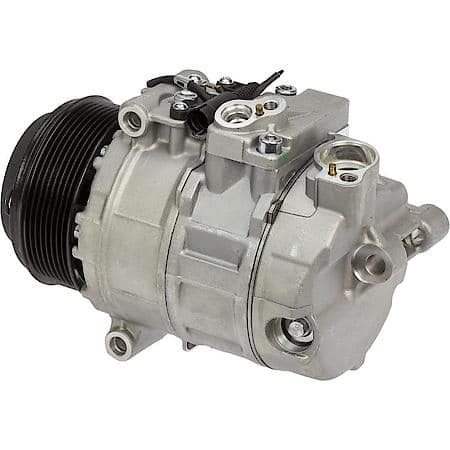
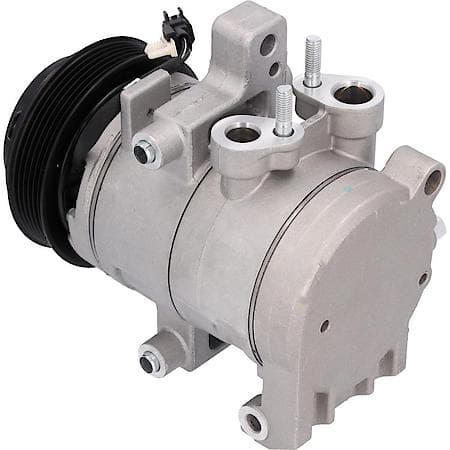
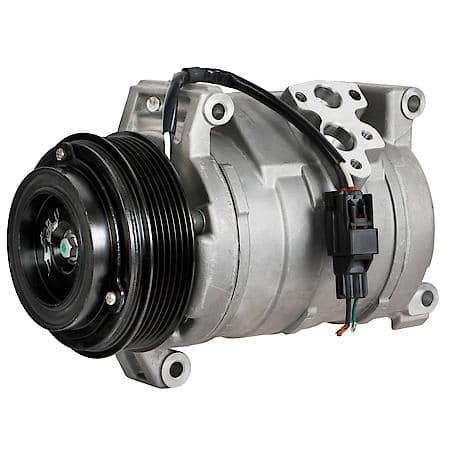
An air conditioning system in a car is a system that cools and dehumidifies the air inside the car. It has five main components: compressor, condenser, evaporator, accumulator/receiver drier, and expansion valve/orifice tube. The compressor squeezes refrigerant gas, which goes to the condenser to be cooled and turned into a liquid. The liquid refrigerant goes to the evaporator, where it removes heat from the air inside the car, making it cooler. Depending on the vehicle design, it will have either an accumulator or receiver drier, but both are designed to remove moisture from the refrigerant and filter the system. The expansion valve controls how much refrigerant flows, and the process starts again. This helps keep you comfortable and cool inside your car on hot days.
Air conditioning parts can wear out or stop working overtime, causing the system to stop working or become less efficient. If you need air conditioning parts to fix your car's A/C system, check out Advance Auto Parts. We have a wide selection of high-quality parts, including A/C compressors, condensers, and more from Carquest, Denso, Ford Motorcraft and GM Genuine Parts to best fit your needs!
Same Day Home Delivery
Not Available For This Item
Home Delivery
Not available for this item
Same Day Home Delivery
Not Available For This Item
Home Delivery
Not available for this item

Same Day Home Delivery
Not Available For This Item
Home Delivery
Not available for this item
Same Day Home Delivery
Not Available For This Item
Home Delivery
Not available for this item

Same Day Home Delivery
Not Available For This Item
Home Delivery
Not available for this item

Same Day Home Delivery
Not Available For This Item
Home Delivery
Not available for this item
Same Day Home Delivery
Not Available For This Item
Home Delivery
Not available for this item

Same Day Home Delivery
Not Available For This Item
Home Delivery
Not available for this item

Same Day Home Delivery
Not Available For This Item
Home Delivery
Not available for this item

Same Day Home Delivery
Not Available For This Item
Home Delivery
Not available for this item

Same Day Home Delivery
Not Available For This Item
Home Delivery
Not available for this item
Same Day Home Delivery
Not Available For This Item
Home Delivery
Not available for this item
Same Day Home Delivery
Not Available For This Item
Home Delivery
Not available for this item
Same Day Home Delivery
Not Available For This Item
Home Delivery
Not available for this item

Same Day Home Delivery
Not Available For This Item
Home Delivery
Not available for this item

Same Day Home Delivery
Not Available For This Item
Home Delivery
Not available for this item

Same Day Home Delivery
Not Available For This Item
Home Delivery
Not available for this item

Same Day Home Delivery
Not Available For This Item
Home Delivery
Not available for this item
Buying Air Conditioning Parts
When considering the purchase of air conditioning parts for your vehicle, it's essential to evaluate a few key factors to ensure optimal performance and compatibility. First, identify the specific components you need, such as compressors, condensers, evaporators, or refrigerant types, as air conditioning systems can vary greatly between models and manufacturers. Always check your vehicle's make, model, and year to find parts that are compatible and meet OEM (Original Equipment Manufacturer) specifications. Additionally, think about the quality and warranty offered by the parts; opting for reputable brands can provide peace of mind and longevity for your repairs. Lastly, consider if you will be doing the installation yourself or if professional help is needed, as this will impact your choice of parts and any necessary tools or accessories. By taking these factors into account, you can ensure a successful air conditioning repair or replacement that keeps your vehicle cool and comfortable.
Frequently Purchased Air Conditioning Parts
Advance Auto Parts customers consistently choose Air Conditioning Parts from trusted brands like Carquest Premium, EZ Chill, Carquest, and Factory Air for their high ratings and solid reviews. As of 8/2/26, the Air Conditioning Parts listed below are the ones our customers have preferred most, thanks to compatibility with a wide array of leading manufacturers including Chevrolet, GMC, Cadillac, Ford, and 102 other popular makes. These best-selling Air Conditioning Parts are priced between $1.99 and $747.99. However, please note that prices may fluctuate based on your location's availability. To ensure a seamless match with your vehicle or use, we invite you to explore the Air Conditioning Parts options. Trust in Advance Auto Parts to provide you with high-quality Air Conditioning Parts that meet your specific repair, maintenance, or gearhead hobbyist needs!
If your car's A/C is not blowing cold air, it could be due to several reasons such as a faulty A/C compressor, low refrigerant levels, or an electrical issue.
Here are some common causes:
- Low refrigerant levels: If the refrigerant levels in your A/C system are low, it will not be able to cool the air as effectively or might not cool at all. This could be caused by a leak in the system or normal wear and tear over time.
- Dirty cabin air filter: If the air filter in your A/C system is dirty or clogged, it can restrict airflow and make it harder for the system to cool the air.
- Faulty compressor: The compressor is the heart of the A/C system, and if it's not working properly, the system won't be able to cool the air effectively.
- Clogged condenser: The condenser is responsible for releasing the heat absorbed by the refrigerant, so if it's clogged with leaves or other debris, the system won't be able to cool the air as effectively. Electrical problems: Faulty electrical connections, pressure switches, or electric fan can cause the A/C system to not function properly.
Your car's A/C system compresses and circulates refrigerant gas to cool the air. The compressor, powered by a belt connected to the engine, compresses the gas, and circulates it through the system. The evaporator in the dash absorbs heat from the air inside the car and releases it outside through the condenser, making the air cooler.
The compressor is an essential component of the car's A/C system, responsible for compressing and circulating refrigerant gas through the system. The compressor is powered by a belt connected to the engine and works by compressing the refrigerant gas and circulating it through the system. The evaporator absorbs heat from the air inside the car and releases it outside through the condenser, allowing the system to cool the air inside the car.
There are several signs that can indicate your car's air conditioner is not working properly or has gone bad. Here are some common signs to look out for:
- Warm air blowing from the vents: If the air coming out of the vents is not cold, or is warm, this is a sign that your car's air conditioner is not functioning properly.
- Weak airflow: If the airflow from the vents is weak, it could indicate a problem with the blower motor, air door actuators, or a clogged air filter.
- Unusual smells: Strange smells coming from the vents, such as a musty or moldy odor, can indicate that there is mold or bacteria growing inside the A/C system.
- Strange noises: Unusual noises coming from the A/C system, such as rattling or squealing, could indicate a problem with the compressor or other components.
- Leaking water: If you notice water leaking inside the car, it could be a sign that the A/C drain line is clogged.
If you experience any of these signs, it's important to consult a repair manual for help with diagnosis or have your car's A/C system inspected by a professional to diagnose the issue and determine the best course of action.