- Shop All
- Replacement Parts
- Performance Parts
- Accessories
- Oil & Fluids
- Special Offers
- Advance Rewards
- Advice & How-Tos
- Project Guides
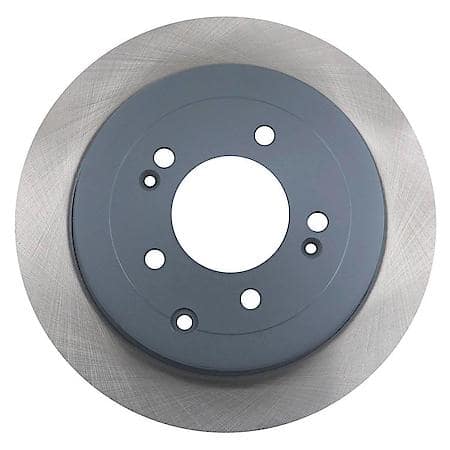
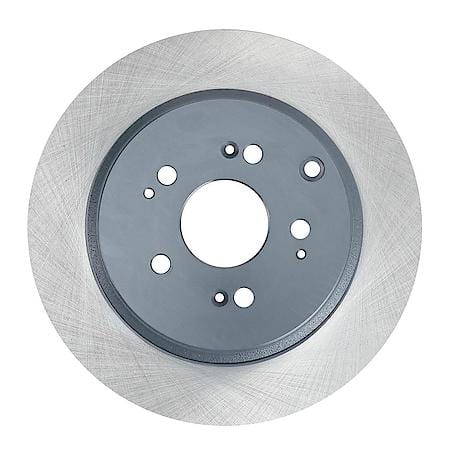
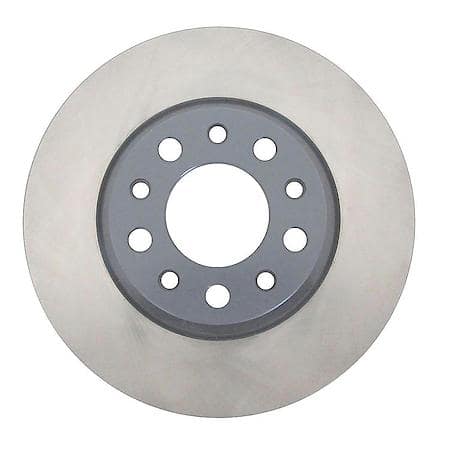
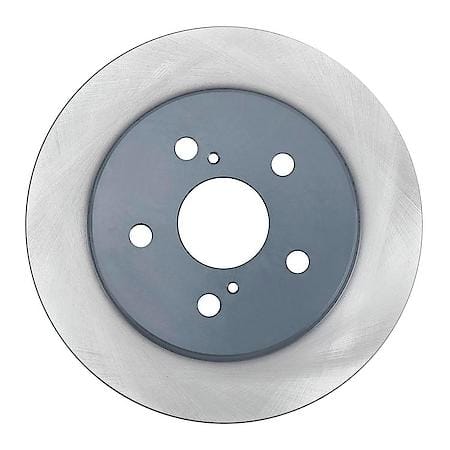
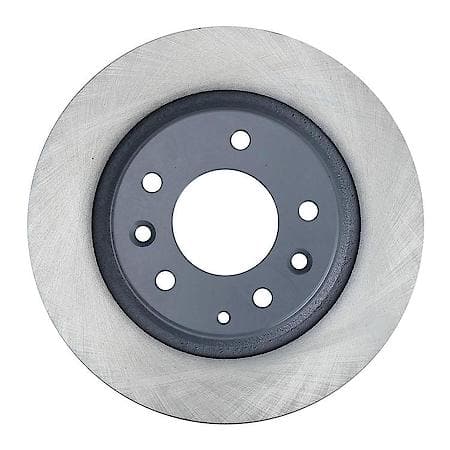
Rear Brake Rotor
Rear brake rotors, or brake discs, are some of the most influential parts of your braking system. Your brakes are mainly made from these rotors and pads on each axle. When you press on the gas, the pads press on the rotors, using friction to stop the vehicle while simultaneously preventing undue heat caused by the friction. This process keeps your braking system operating effectively, keeping the car stable and balanced. With it, you can prevent accidents and enhance your overall performance.
Rear brake rotors often last a long time. However, if they become damaged, your vehicle may become unsafe. As such, you must inspect them regularly and stay vigilant for any potential signs of their damage. If you find they are damaged, visit your nearest Advance Auto Parts location, where we can suit your car's suitable rear brake rotors. Starting at prices as low as $23, we carry trusted brands like Autopart International and Carquest to make your vehicle safer than ever before.


Same Day Home Delivery
Not Available For This Item
Home Delivery
Not available for this item

Same Day Home Delivery
Not Available For This Item
Home Delivery
Not available for this item

Same Day Home Delivery
Not Available For This Item
Home Delivery
Not available for this item
Same Day Home Delivery
Not Available For This Item
Home Delivery
Not available for this item

Same Day Home Delivery
Not Available For This Item
Home Delivery
Not available for this item

Same Day Home Delivery
Not Available For This Item
Home Delivery
Not available for this item

Same Day Home Delivery
Not Available For This Item
Home Delivery
Not available for this item
Same Day Home Delivery
Not Available For This Item
Home Delivery
Not available for this item

Same Day Home Delivery
Not Available For This Item
Home Delivery
Not available for this item

Same Day Home Delivery
Not Available For This Item
Home Delivery
Not available for this item

Same Day Home Delivery
Not Available For This Item
Home Delivery
Not available for this item
Same Day Home Delivery
Not Available For This Item
Home Delivery
Not available for this item

Same Day Home Delivery
Not Available For This Item
Home Delivery
Not available for this item

Same Day Home Delivery
Not Available For This Item
Home Delivery
Not available for this item
Same Day Home Delivery
Not Available For This Item
Home Delivery
Not available for this item

Same Day Home Delivery
Not Available For This Item
Home Delivery
Not available for this item

Same Day Home Delivery
Not Available For This Item
Home Delivery
Not available for this item
Same Day Home Delivery
Not Available For This Item
Home Delivery
Not available for this item
Rear Brake Rotors for Replacement, Repair and More
When purchasing rear brake rotors, it's essential to consider several key factors to ensure optimal performance and safety for your vehicle. First, check the compatibility of the rotors with your specific make and model, as different vehicles have unique specifications that affect fit and function. Material quality is also paramount; options like cast iron and carbon composite offer varying levels of performance and durability. Additionally, examine the rotor's thickness and venting design, as these features impact heat dispersion and resistance to warping during heavy braking. Consider whether you prefer solid or vented rotors, depending on your driving style and brake performance needs. Lastly, take into account the manufacturer's warranty and reviews from other consumers to gauge reliability and effectiveness. With the right information, you can confidently choose rear brake rotors that enhance your vehicle's braking system and ensure a smoother, safer driving experience.
Rear Brake Rotors Prices, Brands & Ratings
Advance Auto Parts customers consistently choose to buy Rear Brake Rotors from trusted brands like Carquest, Carquest Premium, Carquest Platinum Plus, and Carquest Professional for their reliability and positive ratings. As of 8/2/26, the Rear Brake Rotors listed below are the ones our customers have preferred most, offering compatibility with a wide array of leading vehicle manufacturers including Chevrolet, Ford, GMC, Honda, and 61 other popular makes. These best-selling Rear Brake Rotors are priced between $60.99 and $129.99. However, please note that prices may fluctuate based on your location's availability. To ensure a seamless match with your vehicle, we invite you to use the "Add Vehicle" tool in the top menu, or explore the Rear Brake Rotor options. Trust in Advance Auto Parts to provide you with high-quality Rear Brake Rotors to meet your specific car maintenance or project needs.
Rear brake rotors are the surface on which the brake pads press down when you press the brake pedal. Hydraulic pressure pushes the brake pads against the spinning rotors, creating friction that slows down or stops the vehicle. In this process, the rotors also dissipate heat that may rise through the friction, making the braking system last longer.
Since rotors are made from more durable material, you only need to replace them every 50,000 to 70,000 miles. However, this may vary depending on your driving habits, any debris, and the driving conditions you encounter. If you notice squealing or grounding noises or vibrations while braking, you must replace them. In addition, inspect your rotors regularly, particularly when you replace your brake pads, for any signs of damage like rust, warping, or deep groves in the rotors. If you spot them early on, you can prevent issues in other aspects of your braking system.
Your rear brake rotors must be about 28 to 45 mm to be safe, although this may vary depending on your vehicle's manufacturer's recommendations. Any thinner and they may not be as effective in dissipating heat and keeping your braking system in working order. Thicker rotors can absorb more heat, reducing the risk of overheating and brake fade.
Warping can be caused by excessive heat from heavy braking, rapid cooling of hot rotors, or improper installation. Repeated heating and cooling cycles can cause the metal to deform, leading to a warped rotor.
Front brake rotors are generally larger and thicker than rear rotors because they handle more braking force due to the weight the front of the vehicle carries. They often have better cooling mechanisms to dissipate heat efficiently. Front rotors also wear out faster due to their increased load during braking.
Yes, high-performance brake rotors are available. Brake rotors made from materials like carbon ceramic or with drilled or slotted surfaces are better at handling higher temperatures and stopping the vehicle faster. High-performance vehicles often require these features as they may experience more braking pressure than other vehicles.
Brake rotors are typically cast iron due to the material's durability and effective heat dissipation. As mentioned, you can also use high-performance rotors with carbon ceramic materials if you want your brake rotors to last longer. However, your choice of brake rotor material may depend on your budget, vehicle manufacturer's preferences, and desired performance.
At Advance Auto Parts, our rear brake rotors range from $23 to over $1,000. The cost mainly varies depending on the materials, the make and model of your car, and how durable you want the brake rotor to be.
To replace rear brake rotors, safely lift and secure the vehicle, then remove the wheel. Next, remove the brake caliper and old rotor. Install the new rotor, reattach the caliper, and replace the wheel. Fasten all components, and test the brakes before driving.
To extend the lifespan of your rear brake rotors, practice gentle braking, avoid sudden stops, and follow a regular maintenance schedule for your braking pads and shoes. Keeping the braking system clean and inspecting components for wear can also help prolong their life.