- Shop All
- Replacement Parts
- Performance Parts
- Accessories
- Oil & Fluids
- Special Offers
- Advance Rewards
- Advice & How-Tos
- Project Guides
Battery Terminal
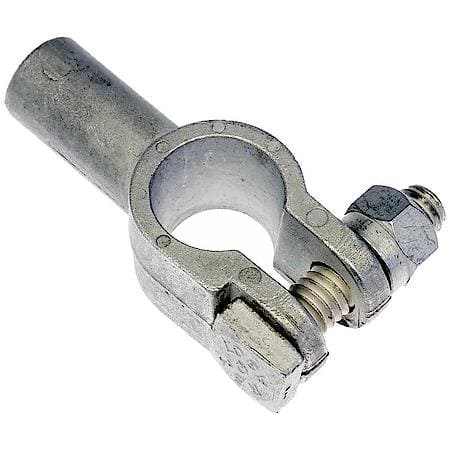
A battery terminal component refers to the electrical contacts or connectors that connect a battery to the electrical system of a car. These components are typically made of metal, such as lead or copper, and are designed to provide a secure and reliable connection. In addition to top post, side post, clamp-on, and marine battery terminals, we now provide universal terminals that may be tailored to accommodate a range of battery sizes and kinds. To ensure proper performance and safety, it is crucial to select the right battery terminal, which depends on the type of battery and the specific electrical system it is being used in. It is important to maintain the car battery terminals to ensure that the car's electrical system functions properly. Corrosion or damage to the terminals can cause poor connection, and may lead to problems starting the car or cause other electrical issues. Regular inspection and cleaning of the terminals can help prevent these problems. In some cases, the terminals may need to be replaced if they become damaged or corroded beyond repair. Buy online or visit your local Advance Auto Parts store and have one of our knowledgeable Team Members help you.

Same Day Home Delivery
Not Available For This Item
Home Delivery
Not available for this item

Same Day Home Delivery
Not Available For This Item
Home Delivery
Not available for this item
Same Day Home Delivery
Not Available For This Item
Home Delivery
Not available for this item

Same Day Home Delivery
Not Available For This Item
Home Delivery
Not available for this item

Same Day Home Delivery
Not Available For This Item
Home Delivery
Not available for this item

Same Day Home Delivery
Not Available For This Item
Home Delivery
Not available for this item

Same Day Home Delivery
Not Available For This Item
Home Delivery
Not available for this item

Same Day Home Delivery
Not Available For This Item
Home Delivery
Not available for this item
Same Day Home Delivery
Not Available For This Item
Home Delivery
Not available for this item

Same Day Home Delivery
Not Available For This Item
Home Delivery
Not available for this item

Same Day Home Delivery
Not Available For This Item
Home Delivery
Not available for this item

Same Day Home Delivery
Not Available For This Item
Home Delivery
Not available for this item

Same Day Home Delivery
Not Available For This Item
Home Delivery
Not available for this item

Same Day Home Delivery
Not Available For This Item
Home Delivery
Not available for this item

Same Day Home Delivery
Not Available For This Item
Home Delivery
Not available for this item

Same Day Home Delivery
Not Available For This Item
Home Delivery
Not available for this item

Same Day Home Delivery
Not Available For This Item
Home Delivery
Not available for this item

Same Day Home Delivery
Not Available For This Item
Home Delivery
Not available for this item
Battery Terminals for Replacement, Repair and More
When replacing or repairing battery terminals for your vehicle, several key factors should be considered to ensure optimal performance and safety. First, assess the size and compatibility of the battery terminals with your vehicle’s battery and cables, as terminals come in various sizes and configurations to fit different applications. Look for terminals made from durable materials like lead or copper which provide better conductivity and resistance to corrosion, enhancing the longevity of your connection. Additionally, consider the terminal style—either clamp or bolt-on—as this will affect installation and stability. Always check for any special features, such as protective coatings or built-in fuses, that can add an extra layer of safety. Finally, factor in the brand reputation and warranties of the battery terminals, as quality and reliability are critical in maintaining your vehicle's electrical system. Making informed decisions on these aspects will help ensure a reliable electrical connection and seamless operation of your vehicle.
Battery Terminals Prices, Brands & Ratings
Advance Auto Parts customers consistently choose to buy Battery Terminals from trusted brands like Autotecnica, DieHard, Dorman, and Wells Vehicle Electronics for their reliability and positive ratings. As of 8/2/26, the Battery Terminals listed below are the ones our customers have preferred most, offering compatibility with a wide array of leading vehicle manufacturers including Lincoln, Ford, Toyota, Infiniti, and 13 other popular makes. To ensure a seamless match with your vehicle, we invite you to use the "Add Vehicle" tool in the top menu, or explore the Battery Terminal options. Trust in Advance Auto Parts to provide you with high-quality Battery Terminals to meet your specific car maintenance or project needs.
Below are some frequently asked questions about battery terminal components.
Battery terminals play a crucial role in delivering electrical power from the battery to the vehicle, and ensuring that the electrical system functions properly.
The importance of battery terminal components in vehicles can be explained as follows:
- Reliable power supply: The battery terminal connectors ensure that a reliable power supply is provided to the vehicle's electrical system. If the terminals of a battery become loose, corroded, or damaged, a poor connection and loss of power to the electrical components might occur.
- Electrical safety: Car battery terminal connectors also play a critical role in ensuring electrical safety. Loose or corroded terminals can generate sparks or shorts, which can result in electrical fires or system damage.
- Battery life: The condition of the battery terminals can affect the life of the battery. Corrosion or a poor connection can cause the battery to drain or lose power, which can shorten its lifespan.
- Vehicle performance: A vehicle's electrical components, such as the starter motor, alternator, and other accessories, rely on a constant power source from the battery. If the battery cable terminals are not working properly, the car may perform poorly or even fail to start.
When selecting a replacement battery terminal, keep in mind the type of battery being used, the type of cable connection required, and any environmental variables that may affect the terminal's performance. To ensure proper performance and safety, confirm that the terminal is compatible with the vehicle's electrical system and that it is properly installed.
There are several types of battery terminal components used in vehicles, each with its own unique characteristics and applications. Here are some of the most common types:
Positive Battery Terminal
A positive battery terminal provides a positive connection to the vehicle's electrical system. It is commonly found on the top of the battery and is marked with a "+" sign or color-coded red.
It is connected to the positive (+) terminal of the battery and is typically connected to the vehicle's starter motor, alternator, and other electrical components. It is designed to provide a steady flow of electrical current to power the vehicle's electrical system.
Negative Battery Terminal
The negative battery terminal provides a negative connection to the vehicle's electrical system. It is usually located on the top of the battery and is typically marked with a "-" sign or color-coded black.
It is connected to the negative (-) terminal of the battery and is typically connected to the vehicle's chassis or ground. Its purpose is to provide an electrical current return path and to stabilize the electrical system.
Top Post Battery Terminal
Top post battery terminals are located on the top of the battery and are used to provide a connection between the battery and the vehicle's electrical system.
They are normally composed of lead or lead alloy and come in a variety of sizes and styles to fit various types of batteries. They are often bolted or screwed to the battery, providing a reliable connection.
One advantage of top post battery connectors is that they are easy to access and replace, as they are located on the top of the battery. This makes them ideal for use in vehicles where space is limited or where the battery is in a hard-to-reach area.
Side Post Battery Terminal
A side post battery terminal is positioned on the battery's side and provides the connection between the battery and the vehicle's electrical system.
They are usually made of lead or lead alloy and come in a variety of sizes and styles to fit various types of batteries. They are often bolted or screwed to the battery, providing a secure and dependable connection.
Side post battery connections have the advantage of being easier to access than top post battery terminals, especially in cars when the battery is in a tight or difficult-to-reach space. As a result, they may be a popular option in some vehicles.
Side post battery terminals also have a lower profile than top post terminals, which can help to lessen the risk of accidental short circuits and electrical fires.
Clamp-on Battery Terminal
A clamp-on battery terminal is designed to be clamped onto the existing battery terminal, rather than replacing the terminal itself. Clamp-on battery terminals are typically used as a temporary solution to repair damaged or corroded battery terminals.
They are usually made of metal, such as copper or brass, and feature a clamping mechanism that secures them to the existing battery terminal. The clamping mechanism may use screws or bolts to tighten the clamp onto the terminal, or it may be a spring-loaded clamp that is tightened by hand.
Battery clamps have the advantage of being simple to install and do not require the replacement of the entire battery terminal. This might be a practical solution for emergency repairs or temporary repairs.
On the other hand, they are not as secure or trustworthy as permanent battery terminals. The clamping mechanism can loosen or corrode with time, causing electrical issues and perhaps damaging the battery or other electrical components.
If you must use a clamp-on battery terminal as a temporary solution, it is critical to monitor the terminal on a regular basis and to replace it as soon as possible with a permanent solution.
Universal Battery Terminal
A universal battery terminal can accommodate a variety of automobile batteries. It is designed to be adaptable to many types and sizes of car batteries, allowing it to be utilized in a wide range of car makes and models.
They are often clamp-style, which use a clamp to hold onto the battery post. The clamp can be adjusted to fit different sizes of posts, making it a versatile option for different car battery sizes. Some universal terminals may also be bolt-on terminals, which use a bolt to secure the terminal to the battery post.
Universal terminals are typically used in situations where the specific type or size of car battery may vary, such as in automotive repair shops or car maintenance services. They can be a convenient solution for quickly and easily installing a replacement battery in a car without needing to have a specific terminal size on hand.
In addition to these battery terminal components, there are also various accessories available, such as protective covers, corrosion inhibitors, and terminal cleaners. These can help to maintain and extend the lifespan. Regular inspection, maintenance, and replacement can help to avoid potential issues and ensure a safe and reliable vehicle.
It's important to select the correct component to make sure that the electrical system of your car is reliable and operating as intended. When selecting battery terminal replacements, consider the following factors:
Battery Type and Size: The first thing to consider is the type and size of your vehicle's battery. There are several varieties of batteries, such as lead-acid, AGM, and lithium-ion, and each type may require a distinct set of terminal connectors. Additionally, it is necessary to select parts that are compatible with the size of your battery
Terminal Type: There are different types of car battery terminals, including top post, side post, and clamp-on terminals. Each type has its own advantages and disadvantages, so it is important to choose the type that best suits your vehicle and your needs.
Material: Battery terminals are typically made of metal, such as lead, brass, or copper. The material used can affect the conductivity and durability of the terminal, so it is important to choose a high-quality material that is resistant to corrosion and able to withstand the demands of your vehicle's electrical system.
Connection Type: Battery terminals can be connected to the electrical system in different ways, including bolt-on, screw-on, or clamp-on connections. The type of connection you choose may depend on your vehicle's electrical system and your personal preference.
Manufacturer Recommendations: Finally, it is important to consider any recommendations or requirements from the manufacturer of your vehicle or battery. The manufacturer may have specific guidelines or recommendations for choosing and installing battery terminal components to ensure optimal performance and reliability.
By taking these factors into account, you can choose the right battery terminal replacements for your vehicle and ensure that your electrical system is functioning efficiently.
The positive and negative terminals on a battery are usually identified by markings on the battery case or on the battery terminals themselves. Here's how to identify them:
Look for markings: Most batteries have markings on the case or on the battery terminals themselves that indicate which terminal is positive and which is negative. These markings may be the words "positive" and "negative" or the symbols "+" and "-" next to the respective terminals.
Check the color: Some batteries have red and black colored terminals. In these cases, the red terminal is usually the positive terminal and the black terminal is the negative terminal.
Look at the shape: In some cases, the battery terminals may have different shapes or sizes. The positive terminal may be larger than the negative terminal, or it may have a protrusion or raised bump that makes it easy to identify.
Follow the cables: If you're still not sure which terminal is positive, and which is negative, you can follow the cables connected to the battery. The cable connected to the positive terminal usually leads to the vehicle's starter or alternator, while the cable connected to the negative terminal is typically grounded to the vehicle's frame or engine block.
It is important to correctly identify the positive and negative terminals on a battery before connecting any electrical components to avoid damaging the battery or the vehicle's electrical system.
When car battery terminals begin to fail, they will usually produce a few symptoms that can notify the driver of a potential problem. Checking for bad car battery connections is an important part of maintaining your vehicle's electrical system.
Here's how to check for bad car battery terminals:
Visually inspect the battery terminals: Start by visually inspecting for any signs of corrosion or damage. Corrosion is one of the most common symptoms of a battery terminal issue. It can appear as a white or greenish powder around the terminals. Make sure the terminal is clean and free of corrosion. Corrosion can obstruct the flow of electrical current and cause problems, such as failure to start the car. Damage can include cracks, breaks, or other visible signs of wear.
Check the tightness of the terminals: Make sure that the battery terminals are securely tightened to the battery posts. Loose or improperly tightened terminals can cause electrical problems and can even damage the battery or other electrical components.
Test the terminal voltage: Use a multimeter to test the voltage at the battery terminals. A fully charged battery should read between 12.6 and 12.8 volts. If the voltage is lower than this, it may indicate that there is a problem with the battery or the charging system.
Check the terminal resistance: Use a multimeter to measure the resistance at the battery terminals. The resistance should be very low, ideally less than 0.1 ohms. If the resistance is higher than this, it may indicate that there is a poor connection or corrosion at the terminal.
Perform a load test: Use a battery load tester to check the performance of the battery under load. A weak or failing battery may indicate that there is a problem with the terminals or other components in the electrical system.
If you notice any signs of corrosion, damage, or loose connections at the battery terminals, it is important to address the problem as soon as possible to avoid further damage to the battery or the electrical system. Regular maintenance and inspection can help prevent problems and ensure that your vehicle's electrical system is functioning properly.
Replacing battery terminals is a simple process that can be done with a few basic tools. Here's how to replace battery terminals:
Disconnect the battery: Before you begin working on the battery terminals, first make sure the car's ignition is off. Disconnect the battery by removing the negative terminal first, followed by the positive terminal. This will prevent any accidental electrical contact while you are working on the terminals. Remember to never let your tools touch the positive and negative terminals at the same time or let them touch the positive terminal to a metal ground. Watch this video on disconnecting a car battery and read this article for tips on how to safely disconnect a car battery.
Remove the old terminals: Use a socket or wrench to loosen and remove the nuts or bolts holding the old terminals in place.
Clean the battery posts: Use a wire brush or sandpaper to clean the battery posts and remove any corrosion or buildup. This will ensure a good electrical connection with the new terminals.
Cut and strip the wires: Cut the old battery cable ends off the wires using wire cutters. Use a wire stripping tool to remove about a half-inch of insulation from each wire.
Add heat-shrink tubing: Slide some tubing onto the wire and carefully connect the wire to the new terminal. Slide the tubing over the connection and make sure that no exposed wiring is visible. Use a heat gun to shrink the tubing against the connection.
Install the new terminals: Place the new terminals over the battery posts and secure them in place with the nuts or bolts. Make sure the terminals are snug and secure, but do not over-tighten them.
BCI Battery Service Manual torque recommendations:
Top Post Terminals = 50 – 70 in/lbs
Side Terminals = 70 – 90 in/lbs
Reconnect the battery: Reconnect the battery by first attaching the positive terminal, followed by the negative terminal. Make sure the connections are tight and secure.
Test the electrical system: Start the vehicle and test the electrical system to make sure everything is functioning properly.
Replacing battery terminals is a straightforward process that can help ensure proper electrical connections and prevent problems with your vehicle's electrical system. If you are unsure about the process, it is always best to consult a professional mechanic or auto technician.