- Shop All
- Replacement Parts
- Performance Parts
- Accessories
- Oil & Fluids
- Special Offers
- Advance Rewards
- Advice & How-Tos
- Project Guides
Drive Shafts and Axles
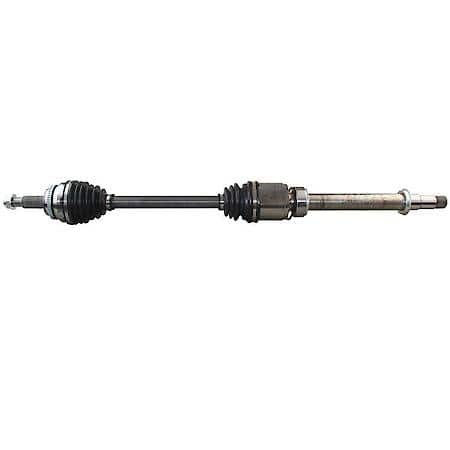
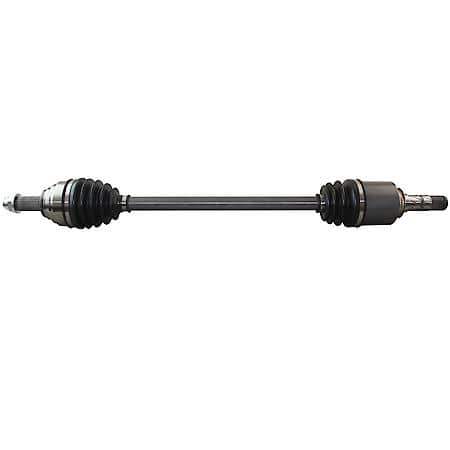
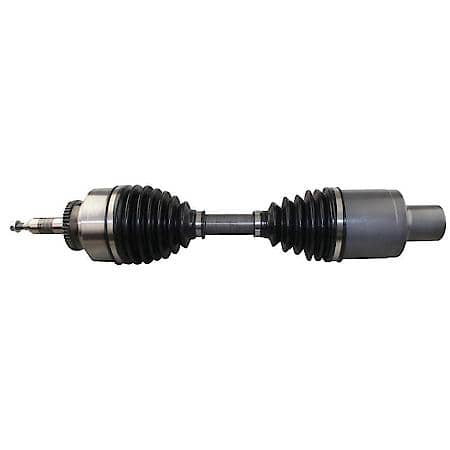
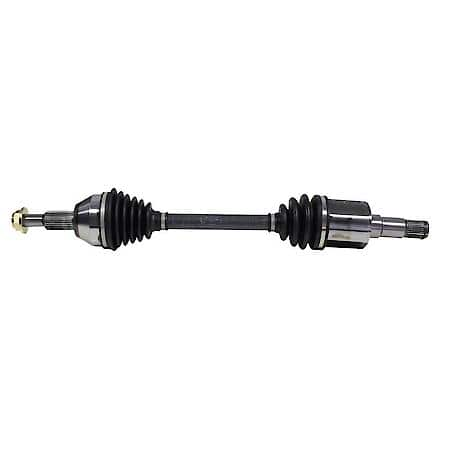
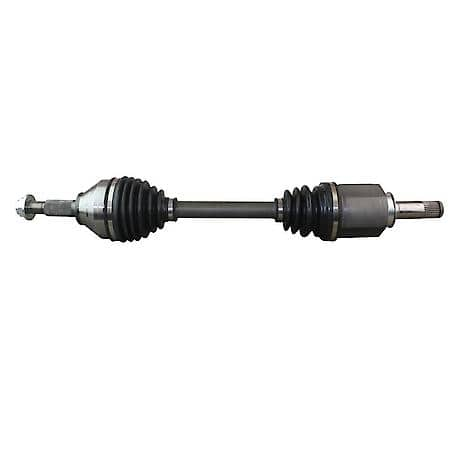
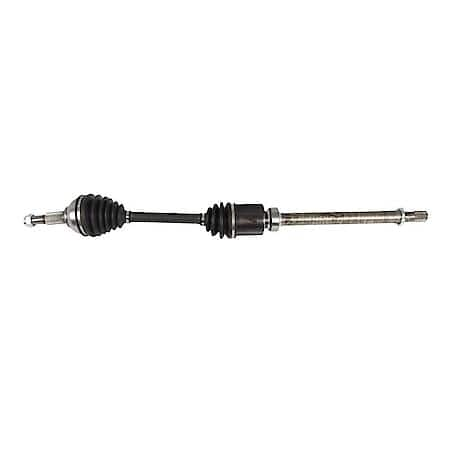
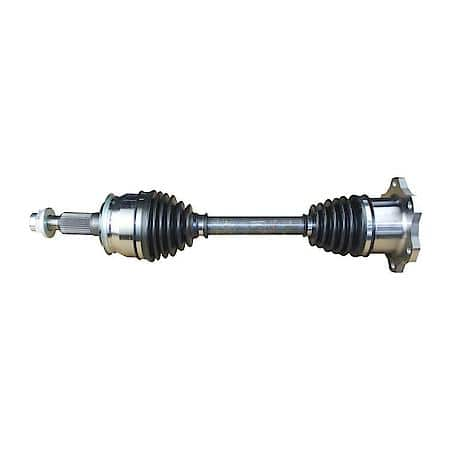
Our Drive Shaft and CV Axle & Joint components are designed to provide high-quality solutions for your Drivetrain needs. These key components keep your vehicle running smoothly by transferring power from the engine to the wheels. Quality driveshafts and CV axles prevent vibration, noise, and premature wear, leading to optimal performance. Whether you're replacing a faulty component or enhancing your driving experience, we offer durable, high-quality driveshafts and CV axles for your vehicles make & model. Order online today for same-day delivery or pick up in-store.

Same Day Home Delivery
Not Available For This Item
Home Delivery
Not available for this item

Same Day Home Delivery
Not Available For This Item
Home Delivery
Not available for this item

Same Day Home Delivery
Not Available For This Item
Home Delivery
Not available for this item
Same Day Home Delivery
Not Available For This Item
Home Delivery
Not available for this item

Same Day Home Delivery
Not Available For This Item
Home Delivery
Not available for this item
Same Day Home Delivery
Not Available For This Item
Home Delivery
Not available for this item

Same Day Home Delivery
Not Available For This Item
Home Delivery
Not available for this item
Same Day Home Delivery
Not Available For This Item
Home Delivery
Not available for this item
Same Day Home Delivery
Not Available For This Item
Home Delivery
Not available for this item
Same Day Home Delivery
Not Available For This Item
Home Delivery
Not available for this item
Same Day Home Delivery
Not Available For This Item
Home Delivery
Not available for this item
Same Day Home Delivery
Not Available For This Item
Home Delivery
Not available for this item

Same Day Home Delivery
Not Available For This Item
Home Delivery
Not available for this item

Same Day Home Delivery
Not Available For This Item
Home Delivery
Not available for this item

Same Day Home Delivery
Not Available For This Item
Home Delivery
Not available for this item
Same Day Home Delivery
Not Available For This Item
Home Delivery
Not available for this item

Same Day Home Delivery
Not Available For This Item
Home Delivery
Not available for this item
Same Day Home Delivery
Not Available For This Item
Home Delivery
Not available for this item
Buying Drive Shafts and Axles
When shopping for Drive Shafts and Axles replacement parts or products for repairs, it’s essential to consider several key factors to ensure compatibility and performance. First, confirm the specifications for your vehicle, including make, model, and year, as drive shafts and axles come in various sizes and designs tailored to specific vehicles. Additionally, assess the type of driving you do—standard road use differs from aggressive off-road conditions, which may require more robust, heavy-duty components. Pay attention to the materials of the parts; steel and aluminum options each have unique advantages in terms of weight and durability. Lastly, consider whether you're looking for original equipment manufacturer (OEM) parts for perfect fitment and quality or aftermarket alternatives that may offer enhanced performance or cost savings. Making informed decisions based on these factors will help ensure that your drive shafts and axles meet your vehicle's needs and provide reliable operation.
Frequently Purchased Drive Shafts and Axles
Advance Auto Parts customers consistently choose Drive Shafts and Axles from trusted brands like Carquest Premium, National, Dorman, and Anchor for their high ratings and solid reviews. As of 8/2/26, the Drive Shafts and Axles listed below are the ones our customers have preferred most, thanks to compatibility with a wide array of leading manufacturers including Chevrolet, GMC, Ford, Cadillac, and 110 other popular makes. These best-selling Drive Shafts and Axles are priced between $5.99 and $213.99. However, please note that prices may fluctuate based on your location's availability. To ensure a seamless match with your vehicle or use, we invite you to explore the Drive Shafts and Axles options. Trust in Advance Auto Parts to provide you with high-quality Drive Shafts and Axles that meet your specific repair, maintenance, or gearhead hobbyist needs!
Both parts are important for transferring torque from the engine to the wheels. However, their differences lie in their specific applications and design functions. Driveshafts are typically found in rear-wheel-drive vehicles, where they deliver power over more extended distances. They are generally long and tubular, connecting the transmission to the differential. In contrast, CV axles are prevalent in front-wheel-drive vehicles. They are equipped with CV joints that allow for flexibility to accommodate the movement of suspension and steering angles, enabling effective torque transfer in more compact spaces. These structural differences result in driveshafts being optimized for durability over long distances, while CV axles are built for versatility within tight vehicle structures.
On average, a driveshaft replacement typically ranges from $500 to $1,200. This price includes both parts and labor, with the driveshaft part itself costing between $100 and $500, and labor charges making up the rest. In contrast, the cost of replacing a CV axle tends to be somewhat lower, generally falling between $150 and $750, again inclusive of both the axle, which usually costs between $50 and $150, and the labor costs. Geographic location can also influence the overall expense, as labor rates in larger metropolitan areas tend to be higher than those in rural locations. Additionally, choosing between an aftermarket part versus an OEM (Original Equipment Manufacturer) part can also impact the cost, with OEM parts generally being more expensive.
Early signs of a problematic driveshaft are unusual vibrations emanating from underneath the vehicle. These vibrations often occur when the universal joints (U-joints) or bushings wear out or become damaged, leading to imbalance. Another common symptom is a clunking or knocking noise that you may notice when changing gears, especially from park to reverse or drive, indicating possible wear or damage to the driveshaft or its components. Additionally, drivers may have trouble in handling or steering the vehicle, as a damaged driveshaft can affect the vehicle's overall stability and control. Lastly, a noticeable delay in vehicle movement after engaging the transmission could point to a failing driveshaft, which struggles to efficiently transmit power from the engine to the wheels.
A bad drive shaft may result in vibrations, unusual noises, or difficulty in handling the vehicle, which could compromise safety. The drive shaft plays a crucial role in transmitting power from the engine to the wheels, so any failure in this component could result in a complete loss of power to the wheels, leaving the vehicle immobile. Furthermore, continuing to drive with a compromised drive shaft could lead to increased repair costs in the long run because it may cause damage to the transmission or differential.
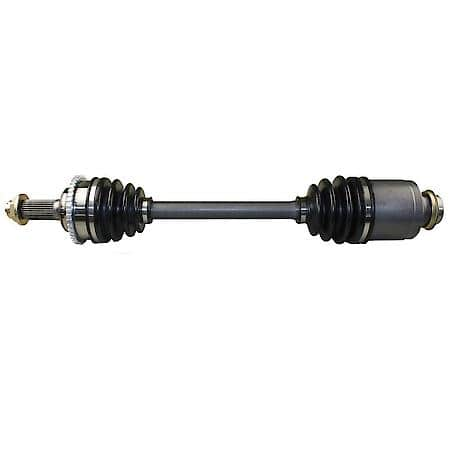
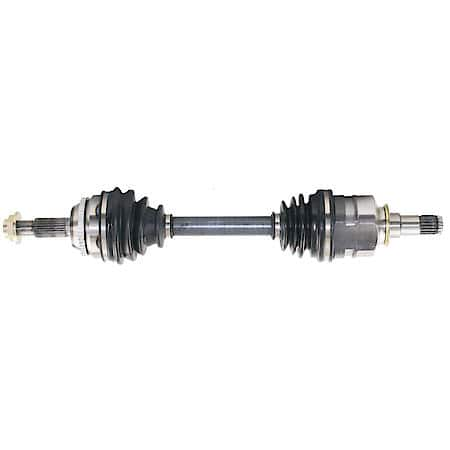
CV Axles are tasked with transmitting torque from the vehicle's transmission to the wheels, which is a crucial function for propelling the car forward. The flexibility of the axles, provided by the CV joints, allows them to accommodate a variety of suspension movements and steering angles without sacrificing power delivery or wheel stability. This adaptability is particularly vital as it enables the axles to compensate for the different positions the wheels assume during turns and when traversing uneven road surfaces. In essence, CV axles ensure that the wheels receive consistent power flow, resulting in smooth and unbroken wheel rotation regardless of the vehicle's movement or angle.
Generally, driveshafts are designed to last for about 75,000 to 100,000 miles. However, frequent driving on rough terrains or towing heavy loads can accelerate wear and lead to earlier replacement. Regular maintenance, such as checking for signs of damage or imbalance, can extend its lifespan considerably. In comparison, CV axles have a similar lifespan, but their joints may require attention sooner, mainly if the protective CV boot gets damaged, allowing contaminants in. Ensuring that the CV boots remain intact and promptly replacing them when necessary, can prevent joint failure and help maintain optimal performance and longevity of the axles.