- Shop All
- Replacement Parts
- Performance Parts
- Accessories
- Oil & Fluids
- Special Offers
- Advance Rewards
- Advice & How-Tos
- Project Guides
Ball Joints
When it comes to maintaining the health of your vehicles suspension and chassis, we recognize the importance of maintaining your vehicle's suspension system, especially the ball joints that ensure smooth steering and alignment. Your car's lower ball joint is crucial for connecting the control arm to the steering knuckle, allowing for up-and-down motion while keeping the wheel in line. If you're experiencing clunking noises, steering wheel vibration, or uneven tire wear, it's likely time to check or replace your ball joints.
We offer an extensive selection of ball joints, including lower ball joints from trusted brands, ensuring a perfect fit for your specific make and model. Alongside the joints, we provide essential components like the Ball Joint Boot for protection against dirt and moisture, Ball Joint Bolts for secure installation, and Control Arm Ball Bushings to maintain proper alignment and reduce friction. For those needing a comprehensive solution, our Ball Joint Bolt Kits are designed to streamline your repair process, offering all necessary hardware in one package. Choosing the right ball joint not only affects your ride quality but also the longevity of your suspension system. At Advance Auto Parts, we equip you with the parts and knowledge to keep your vehicle running smoothly and safely.
Buying Ball Joints
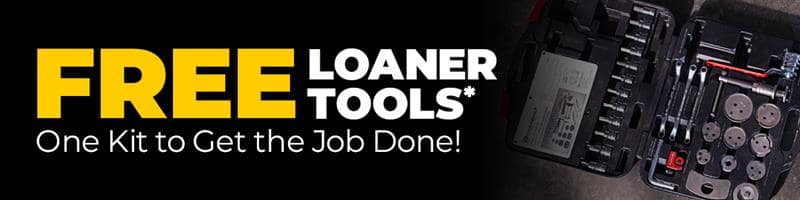
When purchasing ball joints for your vehicle, there are several important factors to consider to ensure you choose the right parts for a successful replacement or repair. First, check your vehicle’s make, model, and year to ensure compatibility, as ball joints can vary significantly between different models. Additionally, consider the type of ball joint you need; there are upper and lower ball joints, and the choice may depend on the specific suspension design of your vehicle. Quality is crucial, so look for reputable brands that offer original equipment manufacturer (OEM) or high-performance aftermarket options to ensure durability and reliability. It's also wise to review the installation process, as some ball joints may require special tools or professional installation, adding to your overall cost. Finally, don’t forget to explore any warranties or guarantees offered, as these can provide peace of mind regarding the longevity and performance of your new ball joints.
Frequently Purchased Ball Joints
Advance Auto Parts customers consistently choose Ball Joints from trusted brands like Moog, Driveworks, Dorman, and Rare for their high ratings and solid reviews. As of 6/2/26, the Ball Joints listed below are the ones our customers have preferred most, thanks to compatibility with a wide array of leading manufacturers including Chevrolet, Ford, GMC, Dodge, and 68 other popular makes. These best-selling Ball Joints are priced between $17.99 and $275.99. However, please note that prices may fluctuate based on your location's availability. To ensure a seamless match with your vehicle or use, we invite you to explore the Ball Joints options. Trust in Advance Auto Parts to provide you with high-quality Ball Joints that meet your specific repair, maintenance, or gearhead hobbyist needs!
A bad ball joint can manifest several symptoms, each indicating a potential problem within your vehicle's suspension system. One of the most common signs is a noticeable clunking or knocking sound, especially when driving over bumps or rough terrain. This noise results from the ball joint being loose or worn out, causing it to rattle inside its casing. Additionally, you may experience unusual or uneven tire wear, which occurs because misalignment caused by a faulty ball joint leads to improper tire contact with the road. Another critical symptom is a vibrating steering wheel. This occurs due to the joint's inability to maintain stability, resulting in increased play in the steering system. Finally, compromised handling or steering responsiveness can indicate a failing ball joint, making your vehicle feel unstable or difficult to control, particularly during sharp turns or quick maneuvers. Recognizing these symptoms early is vital to ensuring your vehicle operates safely and maintaining the longevity of your suspension components.
Driving a car with bad ball joints is not recommended and can pose significant safety risks. Ball joints play a critical role in your vehicle's steering and suspension systems, allowing for controlled movement and alignment. When these components are worn or damaged, you may experience reduced handling capabilities, which can make your vehicle difficult or even dangerous to control, especially at high speeds or on uneven terrain. Furthermore, operating a vehicle with compromised ball joints can lead to further damage to other suspension components, potentially resulting in even more costly repairs. In extreme cases, a severely worn ball joint may fail, leading to a loss of control that can result in a serious accident. Regular maintenance and prompt replacement of faulty ball joints are essential for ensuring both your safety and the longevity of your vehicle's suspension system.
Replacing a ball joint can vary significantly in cost depending on several factors, including the make and model of the vehicle, the type of ball joint needed, and whether the replacement is handled professionally or as a DIY project. On average, the expense for replacing a single ball joint can range from $150 to $300, including parts and labor. However, if the vehicle requires a more complex system or if both ball joints are replaced simultaneously, the cost could escalate. Labor expenses often constitute a significant portion of the total cost, as accessing and installing a new ball joint may require specialized tools and expertise. Many mechanics recommend replacing ball joints in pairs to maintain balanced vehicle performance and prevent uneven wear on the suspension system. It's essential to factor in these variables to ensure safe and effective maintenance of the vehicle’s steering and suspension components.
Ball joints are a pivotal component in both mechanical and biological systems, functioning much like a universal joint that allows for a wide range of movements. In automotive applications, these spherical bearings are essential for connecting the control arms to the steering knuckles at each front wheel. This connection facilitates smooth steering and suspension movement, ensuring that the wheels remain attached and appropriately aligned to the road surface. The ball joint's circular design permits the wheels to pivot for steering while simultaneously enabling up-and-down movement to adjust to road irregularities. This dual functionality not only contributes to the comfort and stability of the ride but also supports the vehicle's directional stability even during dynamic driving conditions. Similarly, in the human body, ball joints like the hip and shoulder are those structural marvels that enable multidirectional movement and rotation while bearing weight. They are critical for various motions including walking, running, and any other activity that requires a high degree of movement freedom. The health and maintenance of these joints are crucial in both domains to ensure optimal performance and longevity, highlighting the impacts on safety, efficiency, and overall function.