2016 Ford Transit-150 Washer Fluid Level Sensors
Keeping your 2016 Ford Transit-150’s washer fluid level sensor in tip-top shape is crucial for ensuring you can tackle any unexpected dirt or debris on your windshield. Regular maintenance involves checking the sensor’s wiring and connectors for wear and tear, as well as making sure the fluid reservoir is kept full, since a low fluid level can lead to false readings. If you notice a persistent warning light on your dashboard or an unresponsive washer system despite having fluid, these could be signs of a failed sensor. By staying on top of these aspects, you can ensure clear visibility and a safer driving experience all year round!
Essential Washer Fluid Level Sensor Maintenance for Your 2016 Ford Transit-150
If you’re the proud owner of a 2016 Ford Transit-150 and keen on keeping your ride in top shape, maintaining your washer fluid level sensor is a must-do! This little gadget not only lets you know when it’s time to refill washer fluid but also contributes to optimal visibility while driving. Understanding its importance can help you avoid potential hazards on the road. At Advance Auto Parts, we offer a variety of high-quality washer fluid level sensors from trusted brands that ensure your vehicle runs smoothly and safely. Plus, shopping with us means easy access to expert advice, fast shipping, and a hassle-free return policy, so you can confidently tackle your DIY repairs with the right parts every time!
Cost of Washer Fluid Level Sensors for Your 2016 Ford Transit-150
At Advance Auto Parts, you’ll find a selection of Washer Fluid Level Sensors that won’t break the bank, all priced at an affordable $11.99. Whether you’re working on a weekend DIY project or just need to replace a faulty sensor, we carry reliable brands that ensure you’re getting quality components for your vehicle. With a consistent price across the board, it’s easy to find the right washer fluid level sensor without sifting through a bunch of options. Just grab one, and you’ll be back to seeing clearly in no time!
Complete Your 2016 Ford Transit-150 Washer Fluid Level Sensor Job with the Right Tools and Parts
When tackling the replacement of washer fluid level sensors, you’ll want to have a few companion products and tools on hand to ensure a smooth DIY experience. Make sure you grab some quality washer fluid; after all, what’s the point of a functioning sensor if your fluid’s empty? A wiring harness adapter may also come in handy, especially if you’re dealing with a sensor that’s a little outdated. As for tools, a socket set, a ratchet wrench, and perhaps a trim removal tool will likely be essential for gaining access to your sensor without damaging any clips or housing. And let’s not forget safety—always wear gloves and goggles to protect against any sharp edges or spills, and make sure to disconnect the battery before starting your work to avoid any electrical mishaps. Happy wrenching!
Washer Fluid Level Sensors for Your 2016 Ford Transit-150
Carquest Premium – Washer Fluid Level Sensor (Part No.FFA1054)
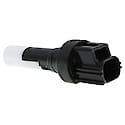
from
$11.99Product Features:
- Product constructed to meet all design and operating characteristics as intended by the vehicle manufacturer.
- Computer-Aided Design (CAD), laser scanning and 3D printing – utilizing Fused Deposition Modeling (FDM) and Stereolithography (SLA) – in the part design process ensures speed-to-market and a precise fit guaranteed.
- Where applicable, robust circuit board design increases durability due to heat, shock, and random electro-magnetic pulses (EMP) and power spikes.
- Tin plated lead frame prevents corrosion and ensures a reliable terminal connection under adverse ambient conditions.
- 100% thermo-shock and vibration tested to ensure superior performance in extreme conditions.
- 100% end-of-line tested to ensure accurate signal output providing product reliability, every time.