2016 Ford Escape Air Charge Temperature Sensors
If you’re driving a 2016 Ford Escape, keeping an eye on your Air Charge Temperature Sensor (ACTS) is crucial for optimal performance. This little guy helps ensure your engine runs efficiently by monitoring the temperature of the air entering the engine, which directly influences fuel combustion and overall horsepower. To maintain your ACTS, make sure to check and clean the connections regularly and replace it if you notice symptoms like poor fuel economy, rough idling, or unexpected engine performance issues. Ignoring these signs could lead to further complications, so take the initiative and tackle this straightforward repair to keep your Escape running smoothly!
Essential Air Charge Temperature Sensor Maintenance for Your 2016 Ford Escape
If you’re looking to boost the performance of your 2016 Ford Escape, paying attention to the Air Charge Temperature Sensor (ACTS) can make a big difference. This little hero helps your engine management system gauge incoming air temperature, ensuring that your vehicle’s fuel-air mixture is just right for efficiency and power. Maintaining or upgrading this sensor can enhance your Escape’s overall performance, fuel efficiency, and even emissions control. At Advance Auto Parts, we offer a wide range of quality ACTS options from trusted brands, so you can feel confident that your DIY repair or upgrade will hold up over time. With our competitive prices and knowledgeable staff, we make it easy to find the right parts, ensuring your Ford Escape runs smoothly and reliably.
Cost of Air Charge Temperature Sensors for Your 2016 Ford Escape
When it comes to Air Charge Temperature Sensors, Advance Auto Parts has a fantastic selection that caters to DIY enthusiasts looking to keep their vehicles running smoothly. You’ll find reputable brands offering reliable sensors at prices ranging from $20.04 to $54.99, with an average price of about $37.52. This gives you plenty of options to fit your budget without sacrificing quality. Whether you’re on the hunt for a cost-effective solution or a premium choice, we’ve got what you need to ensure optimal engine performance and efficiency.
Complete Your 2016 Ford Escape Air Charge Temperature Sensor Job with the Right Tools and Parts
When tackling the replacement of Air Charge Temperature Sensors, it’s good to have a few related products and tools on hand to make the job smoother. You might need dielectric grease to ensure a solid connection if you’re disconnecting any electrical connectors, and some new O-rings or seals could be essential for a proper fit. A multimeter can come in handy for testing the sensor’s functionality, while a socket set will probably be necessary for removing any bolts or screws securing the sensor in place. Don’t forget about safety gear! Wearing gloves can protect your hands from sharp edges, and safety glasses are a must to shield your eyes from any stray debris while you’re working under the hood. Always remember to disconnect the battery before starting work on electrical components to prevent any nasty surprises!
Air Charge Temperature Sensors for Your 2016 Ford Escape
Carquest Premium – Air Charge Temperature Sensor (Part No.WTA1272)
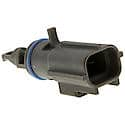
from
$22.99Product Features:
- Product constructed to meet all design and operating characteristics as intended by the vehicle manufacturer.
- 100% thermo-shock and vibration tested to ensure superior performance in extreme conditions.
- 100% end-of-line tested to ensure accurate signal output providing product reliability, every time.
- Tin plated lead frame prevents corrosion and ensures a reliable terminal connection under adverse ambient conditions.
- Lead frame terminal size and location determined using image dimension measuring system or 3D laser scanner.
- Application matched components ensures system operation in like new condition.