2022 Ford Ranger Parking Aid Sensors
If you’re behind the wheel of a 2022 Ford Ranger, you know how handy parking aid sensors can be when it comes to navigating tight spots and avoiding pesky obstacles. To keep these sensors functioning at their best, regular maintenance is key! Make sure to clean the sensor lenses to remove dirt, grime, or debris that can interfere with their operation—consider this your first line of defense. If the sensors start to beep continuously, or you notice inaccurate distance readings, it’s a sign that they may be failing and might need a replacement. Keeping an eye (or ear) out for these symptoms can save you from frustrating parking mishaps and ensure that your Ranger’s technology is working smoothly!
Essential Parking Aid Sensor Maintenance for Your 2022 Ford Ranger
If you own a 2022 Ford Ranger, ensuring that your Parking Aid Sensors are in top-notch condition is essential for confident maneuvering in tight spots and avoiding those pesky fender benders. At Advance Auto Parts, we offer a range of high-quality Parking Aid Sensors designed specifically for your Ranger, helping you maintain and upgrade your vehicle with ease. Selecting the right auto parts from trusted brands not only enhances your vehicle’s performance but also provides peace of mind knowing that you’re investing in durability and reliability. Our vast selection and expert advice make it easy to find the perfect fit for your ride, so you can hit the road with safety and style!
Cost of Parking Aid Sensors for Your 2022 Ford Ranger
At Advance Auto Parts, we’ve got your parking needs covered with top-notch Parking Aid Sensors that make maneuvering a breeze! Priced consistently at just $67.99, you can trust that you’re getting reliable quality without breaking the bank. Whether you’re parallel parking in a tight spot or just trying to avoid obstacles in your driveway, these sensors from reputable brands are designed to help you park with confidence. Dive into our selection and see how a simple upgrade can make your driving experience smoother!
Complete Your 2022 Ford Ranger Parking Aid Sensor Job with the Right Tools and Parts
When tackling the maintenance or replacement of parking aid sensors, it’s smart to have a few related products on hand to make the job easier. You might need some electrical connectors or sealants to ensure a snug fit and watertight seal, along with a can of electrical cleaner to keep your connections in tip-top shape. A basic toolkit should suffice, but having a multimeter on hand is a fantastic idea for diagnosing any electrical issues you might encounter. Don’t forget a torque wrench to help you tighten everything to the manufacturer’s specs, and always, always prioritize safety: make sure you disconnect the battery to avoid any electrical shocks and wear safety goggles to protect your eyes from debris while working. With the right tools and precautions, you’ll have those sensors up and running smoothly in no time!
Parking Aid Sensors for Your 2022 Ford Ranger
Dorman – Parking Aid Sensor (Part No.684-114)
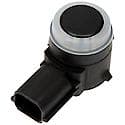
from
$67.99Product Features:
- Direct replacement – this parking aid sensor is designed to match the fit and function of the original sensor on specified vehicles
- Ideal solution – this sensor is a reliable replacement for an original part that has failed due to fatigue or electrical malfunction
- Durable construction – this sensor is made from quality components to ensure reliable performance and a long service life
- Trustworthy quality – backed by team of product experts in the United States and more than a century of automotive experience