2016 Ford Transit-350 Exhaust Temperature Sensors
If you’re the proud owner of a 2016 Ford Transit-350, keeping your exhaust temperature sensors in tip-top shape is essential for optimal performance and efficiency. Regularly inspecting these sensors can help catch any issues before they snowball into bigger problems. Look out for signs of failure, like unusual engine noises, unexpected drops in fuel efficiency, or check engine lights that simply won’t go away. A failing exhaust temperature sensor can lead to excessive emissions and potential damage to other parts of your exhaust system. So, if your van starts acting up, don’t overlook these small but vital components—they’re key to keeping your ride running smooth and clean!
Essential Exhaust Temperature Sensor Maintenance for Your 2016 Ford Transit-350
If you own a 2016 Ford Transit-350, maintaining and upgrading your exhaust temperature sensor is crucial for keeping your engine running efficiently and preventing damage to vital components. The exhaust temperature sensor monitors the temperature of gases in the exhaust system, helping to optimize performance and emissions. When you choose to purchase from Advance Auto Parts, you can rest easy knowing you’re getting quality parts from trusted brands that have been rigorously tested for durability and reliability. With our extensive selection and knowledgeable staff, we make it easy for DIY enthusiasts like you to find exactly what you need to keep your Transit-350 in top shape and maximize its performance on the road.
Cost of Exhaust Temperature Sensors for Your 2016 Ford Transit-350
When it comes to upgrading your vehicle’s exhaust temperature sensor, Advance Auto Parts has you covered with a solid selection of quality brands at competitive prices. You can expect to find these sensors priced between $72.99 and $74.99, with the average price sitting at a sweet spot of $73.99. Whether you’re looking to replace a worn-out sensor or enhance your system for better performance, our range ensures you don’t have to break the bank while getting reliable parts for your DIY auto repair projects!
Complete Your 2016 Ford Transit-350 Exhaust Temperature Sensor Job with the Right Tools and Parts
When diving into the maintenance or replacement of your Exhaust Temperature Sensor, it’s good to have a few related products on hand, like high-temperature silicone sealants and electrical contact cleaners, which can help ensure a clean connection. You might also want to grab some O2 sensors and gaskets for a full exhaust system check-up. As for tools, a decent socket set and a torque wrench will be your best friends when tackling installation, not to mention a multimeter to check for proper functioning. And don’t forget about safety! Always give your vehicle time to cool down and ensure you have gloves and safety glasses handy to protect yourself from any hot parts or sharp edges while you’re getting your hands dirty. Happy wrenching!
Exhaust Temperature Sensors for Your 2016 Ford Transit-350
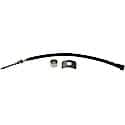
Dorman – Exhaust Gas Temperature Sensors (OE Fix) (Part No.904-403)
from
$99.99Product Features:
- Convenient solution – this replacement EGT sensor comes with a bung repair kit in case the bung is damaged during removal
- Cost-effective fix – bung repair kit allows direct repair of damaged bung instead of replacing entire exhaust pipe
- Complete kit – comes with sensor, new bung, weld-on plate and zip tie
- Quality engineering – designed in the United States and backed by decades of automotive aftermarket experience