2016 Ford F-150 Speed Sensors
Keeping your 2016 Ford F-150’s speed sensors in tip-top shape is crucial for ensuring that your ride accurately tracks speed and delivers a smooth performance. These little gadgets play a big role in your truck’s ability to adjust shifting and maintain fuel efficiency, so regular maintenance is key. Look out for common symptoms of failure, like erratic speed readings, the pesky check engine light coming on, or even issues with your transmission shifting too hard or slipping. If you notice any of these red flags, it might be time to check in on those speed sensors and consider a replacement from our selection at Advance Auto Parts to keep your F-150 running like a champ.
Essential Speed Sensor Maintenance for Your 2016 Ford F-150
If you’re a proud owner of a 2016 Ford F-150, understanding the importance of speed sensors is crucial for maintaining optimal performance and accuracy in your truck’s readings. These sensors play a key role in monitoring your vehicle’s speed, helping to regulate engine performance and ensuring a smooth ride. Regularly checking and upgrading your speed sensors can enhance your driving experience and increase your truck’s longevity. At Advance Auto Parts, we believe in providing you with only the best with our wide selection of quality speed sensors from trusted brands. When DIY auto repair enthusiasts like you choose us, you’re not just getting parts; you’re investing in durability and reliability, giving you peace of mind as you tackle your repairs and upgrades with confidence!
Cost of Speed Sensors for Your 2016 Ford F-150
At Advance Auto Parts, you’ll find a solid selection of speed sensors that cater to DIYers looking to tackle their vehicle’s performance issues without breaking the bank. Priced at a consistent $32.99, these reliable sensors come from trusted brands known for their quality and durability, ensuring you’re getting great value for your hard-earned cash. Whether you’re replacing a faulty speed sensor or simply upgrading for improved accuracy, you can shop with confidence, knowing you’re getting the best bang for your buck right here!
Complete Your 2016 Ford F-150 Speed Sensor Job with the Right Tools and Parts
When working on speed sensors, it’s essential to have a few related products and tools on hand to make your repair go smoothly. You’ll likely need some dielectric grease to protect the electrical connectors from moisture and corrosion, as well as a new O-ring or gasket for a snug fit. Depending on your vehicle, a specialized tool like a torque wrench may be necessary to ensure proper tightening without damaging the new sensor, and a trim removal tool can come in handy for accessing concealed areas. Remember, safety first! Always wear gloves and safety glasses to protect yourself from any sharp edges or debris while you’re under the hood, and make sure the engine is cool to avoid burns. Happy repairing!
Speed Sensors for Your 2016 Ford F-150
Carquest Premium – ABS Wheel Speed Sensor (Part No.ARC1733)
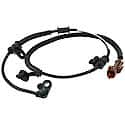
from
$34.99Product Features:
- Computer-Aided Design (CAD), laser scanning and 3D printing – utilizing Fused Deposition Modeling (FDM) and Stereolithography (SLA) – in the part design process ensures speed-to-market and a precise fit guaranteed.
- O-rings or seals are included (where applicable)
- Weather-tight connectors prevent leaks and corrosion for longer life
- Includes all necessary brackets and grommets for easier installation
- Extensive design validation testing and 100% end-of-line tested
- Fluorocarbon high-temperature o-ring seals coated with lubricant for easy installation prevents hub contamination.
- Carquest Vehicle Solutions Technical Support available from ASE certified technicians: 1-866-687-5413