2016 Ford Expedition Fuel Injection Pressure Sensors
Keeping your 2016 Ford Expedition running smoothly often comes down to paying attention to the little things—like the Fuel Injection Pressure Sensor. This crucial component helps monitor the fuel pressure in your vehicle’s engine system, ensuring everything runs as it should. To maintain optimal performance, regular checks are essential; look for signs such as rough idling, a decrease in fuel efficiency, or even engine trouble codes. If your Expedition struggles to start or experiences unusual misfires, it might be time to replace that sensor. Stay ahead of potential issues to keep your ride in top shape, and remember, we’ve got all the replacement parts you need here at Advance Auto Parts!
Essential Fuel Injection Pressure Sensor Maintenance for Your 2016 Ford Expedition
If you’re rolling with a 2016 Ford Expedition, keeping an eye on your Fuel Injection Pressure Sensor is key to maintaining that smooth ride you’ve come to love. These sensors play a critical role in ensuring your engine receives the right amount of fuel, optimizing performance and fuel efficiency. Whether you’re looking to replace a worn-out sensor or want to upgrade for improved responsiveness, choosing quality parts is a must. That’s where Advance Auto Parts steps in. We offer a variety of sensors from trusted brands, so you can hit the road with confidence knowing your vehicle is equipped with reliable components. Plus, our wide selection and expert guidance means you can easily find the right fit for your DIY needs. So, let’s get your Expedition back to top shape!
Cost of Fuel Injection Pressure Sensors for Your 2016 Ford Expedition
When it comes to keeping your ride running smoothly, a quality fuel injection pressure sensor is a must, and we’ve got you covered at Advance Auto Parts! Our selection features a variety of trusted brands you know and love, with prices ranging from $63.55 to $150.56. On average, you can snag one for around $94.70, giving you a great balance between quality and affordability. Whether you’re looking to replace a worn-out sensor or just want to enhance your engine’s performance, you’ll find the right fit for your DIY projects right here!
Complete Your 2016 Ford Expedition Fuel Injection Pressure Sensor Job with the Right Tools and Parts
When replacing a fuel injection pressure sensor, it’s essential to consider a few related products that might come in handy, like a new harness connector or sensor O-ring to ensure a proper seal and electrical connection. You’ll likely need some special tools too, such as a torque wrench for proper installation and maybe a multimeter to check the sensor’s voltage and resistance. Don’t forget that safety is key when working on fuel injection systems—wear safety goggles to protect your eyes from any spills and make sure to work in a well-ventilated area to avoid inhaling fumes. Always disconnect the battery before starting any repairs to prevent any electrical mishaps. Happy wrenching!
Fuel Injection Pressure Sensors for Your 2016 Ford Expedition
Carquest Premium – Fuel Pressure Sensor (Part No.FPA1026)
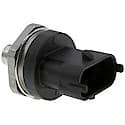
from
$76.99Product Features:
- Product constructed to meet all design and operating characteristics as intended by the vehicle manufacturer.
- Computer-Aided Design (CAD), laser scanning and 3D printing – utilizing Fused Deposition Modeling (FDM) and Stereolithography (SLA) – in the part design process ensures speed-to-market and a precise fit guaranteed.
- Robust circuit board design increases durability due to heat, shock, and random electro-magnetic pulses (EMP) and power spikes.
- Tin plated lead frame prevents corrosion and ensures a reliable terminal connection under adverse ambient conditions.
- 100% thermo-shock and vibration tested to ensure superior performance in extreme conditions.
- 100% end-of-line tested to ensure accurate signal output providing product reliability, every time.