2016 Toyota Sequoia AC Refrigerant Pressure Sensors
Maintaining the AC Refrigerant Pressure Sensors in your 2016 Toyota Sequoia is key to keeping your vehicle’s climate control system running smoothly. These sensors monitor the pressure of the refrigerant in your AC system, ensuring it operates efficiently and effectively. If you notice any of the common symptoms of failure—such as inconsistent cooling, fluctuating cabin temperatures, or the dreaded “AC not blowing cold” issue—it could be time to check your sensors. Regular inspections and timely replacements can help you avoid costly repairs down the road and keep your Sequoia comfortable for all your adventures!
Essential AC Refrigerant Pressure Sensor Maintenance for Your 2016 Toyota Sequoia
If you own a 2016 Toyota Sequoia and are looking to keep your vehicle’s AC system running smoothly, understanding and maintaining your AC Refrigerant Pressure Sensors is key. These sensors play a vital role in monitoring the pressure of refrigerant in your AC system, ensuring optimal performance and comfort on those hot summer drives. At Advance Auto Parts, we offer a variety of high-quality sensors from trusted brands that are designed to fit your Sequoia perfectly, giving you the peace of mind that comes with top-notch quality. Investing in reliable parts not only enhances your vehicle’s efficiency but also prolongs its lifespan, making it crucial to choose components you can trust. Whether you’re looking to replace a faulty sensor or upgrade for better performance, we’ve got you covered!
Cost of AC Refrigerant Pressure Sensors for Your 2016 Toyota Sequoia
When it comes to keeping your vehicle’s AC system running smoothly, having the right AC Refrigerant Pressure Sensor is key, and Advance Auto Parts has you covered with a great selection from trusted brands. You can find these sensors priced between $44.70 and $127.99, with an average price sitting around $86.35, making it easy to find something that fits your budget and vehicle’s needs. Whether you’re looking to make a quick fix or upgrade your system for better efficiency, our range has something for every DIYer looking to beat the heat!
Complete Your 2016 Toyota Sequoia AC Refrigerant Pressure Sensor Job with the Right Tools and Parts
When tackling the maintenance or repair of AC refrigerant pressure sensors, it’s essential to keep a few related products in mind, like O-rings and sealants to ensure a tight fit and prevent leaks. You might also want to grab a set of gauges to accurately measure refrigerant pressure and confirm everything is functioning properly after the installation. As for special tools, a socket set and potentially a flare nut wrench can be super handy for getting into those tight spaces without damaging the sensor. And remember, safety first! Always wear safety goggles and gloves to protect yourself from any refrigerant that may escape during the process, and make sure to work in a well-ventilated area to avoid inhaling any harmful gases. Happy wrenching!
AC Refrigerant Pressure Sensors for Your 2016 Toyota Sequoia
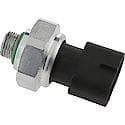
Carquest Premium – A/C Refrigerant Pressure Sensor (Part No.ACA1745)
from
$127.99Product Features:
- Designed and manufactured with high quality materials, industry leading electronic components and strict quality controls. Engineered to exceed OE performance and to meet the uncompromising demands of service professionals.
- Direct fit replacement matches proper OE fit, form, and function and ensures trouble free installation of your A/C Pressure Sensor.
- All units are helium leak tested on fully automated mass spectrometer equipment before end-of-line testing.
- All units are tested using automated end-of-line testing equipment that pressurizes the sensor and checks full-spectrum functionality and electrical output to ensure each part meets manufacturing specifications before packaging.