2016 Toyota Prius C Battery Current Sensors
When it comes to keeping your 2016 Toyota Prius C running smoothly, paying attention to your Battery Current Sensor is key! This little device plays a big role in monitoring the current flowing to and from your car’s battery, ensuring everything is in tip-top shape. To maintain it, make sure to keep the connection clean and free from corrosion, which can wreak havoc on its performance. If you start noticing issues like dimming lights, slow engine cranks, or battery warning indicators, it might be time to check the sensor. Remember, staying proactive with maintenance can save you from bigger headaches down the road!
Essential Battery Current Sensor Maintenance for Your 2016 Toyota Prius C
If you’re cruising in a 2016 Toyota Prius C, keeping tabs on your battery’s health is crucial—especially when it comes to the battery current sensor. These nifty little devices monitor the electrical current flowing in and out of your hybrid’s battery, ensuring optimal performance and longevity. At Advance Auto Parts, we understand that DIYers like you want top-notch components that can stand the test of time, which is why we offer a wide selection of quality battery current sensors from trusted brands. Maintaining or upgrading these sensors not only helps avoid unexpected breakdowns but also enhances your car’s efficiency. Plus, when you purchase from us, you’re guaranteed reliable parts backed by our expertise, so you can tackle your next project with confidence.
Cost of Battery Current Sensors for Your 2016 Toyota Prius C
At Advance Auto Parts, we’ve got you covered with a top-notch selection of Battery Current Sensors that won’t break the bank—each priced at a consistent $259.99. These sensors are essential for monitoring the electrical current flowing from your battery, helping you ensure your vehicle runs smoothly and efficiently. We only stock trusted brands known for their reliability and quality, so you can feel confident in your purchase. Whether you’re a seasoned DIYer or simply looking to maintain your ride, our Battery Current Sensors are a smart investment for your vehicle’s health.
Complete Your 2016 Toyota Prius C Battery Current Sensor Job with the Right Tools and Parts
When you’re diving into the maintenance or replacement of battery current sensors, it’s a good idea to consider a few related products to make the job smoother. For instance, you might need some dielectric grease to protect the electrical connections and ensure a solid link between your sensor and the battery. Specialty tools like a multimeter can help you test the current sensors’ functionality before you even think about swapping them out, while a simple socket set and a ratchet will come in handy for removal and installation. Don’t forget your safety gear—protective gloves and goggles are a must to shield yourself from potential acid drips or sparks when you’re working around the battery. Keeping these essentials on hand will not only make your DIY repair more efficient but also safer!
Battery Current Sensors for Your 2016 Toyota Prius C
Carquest Premium – Battery Current Sensor (Part No.CTC1078)
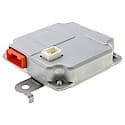
from
$259.99Product Features:
- Product constructed to meet all design and operating characteristics as intended by the vehicle manufacturer.
- Computer-Aided Design (CAD), laser scanning and 3D printing – utilizing Fused Deposition Modeling (FDM) and Stereolithography (SLA) – in the part design process ensures speed-to-market and a precise fit guaranteed.
- Where applicable, robust circuit board design increases durability due to heat, shock, and random electro-magnetic pulses (EMP) and power spikes.
- Tin plated lead frame prevents corrosion and ensures a reliable terminal connection under adverse ambient conditions.
- 100% thermo-shock and vibration tested to ensure superior performance in extreme conditions.
- 100% end-of-line tested to ensure accurate signal output providing product reliability, every time.