2016 Toyota 4Runner PCV Valves
Maintaining the PCV (Positive Crankcase Ventilation) valve in your 2016 Toyota 4Runner is crucial for keeping your engine running smoothly and efficiently. This little but mighty valve helps reduce harmful emissions by recirculating gases back into the intake, but over time it can get clogged or fail altogether. If you notice symptoms like rough idling, decreased fuel efficiency, or a check engine light, it could be a sign that it’s time to check that PCV valve. Regular inspection and replacement can save you from more significant issues down the road, so it’s a good idea to keep an eye on it during your DIY maintenance routine!
Essential PCV Valve Maintenance for Your 2016 Toyota 4Runner
If you’re the proud owner of a 2016 Toyota 4Runner, you know that keeping your vehicle running smoothly is key to both performance and longevity. One often overlooked yet essential component in your engine’s functioning is the PCV (Positive Crankcase Ventilation) valve. Regularly maintaining and even upgrading your PCV valve can significantly enhance your engine’s efficiency and reduce harmful emissions, making it a smart move for DIY enthusiasts. At Advance Auto Parts, we stock a wide selection of high-quality PCV valves from trusted brands, ensuring you get the reliability and performance your 4Runner deserves. Buying parts from us means you’re not just getting the right fit; you’re also investing in components that meet or exceed OEM standards, giving you peace of mind as you tackle your next DIY repair or upgrade project!
Cost of PCV Valves for Your 2016 Toyota 4Runner
At Advance Auto Parts, you’ll find a variety of dependable PCV valves that won’t break the bank, with prices sitting comfortably at just $4.99 across the board. Whether you’re looking to replace a worn-out valve or simply want to keep your engine running smoothly, our selection features trusted brands that DIY enthusiasts know and love. So, for a modest investment, you can easily get your ride back in top shape and ensure optimal engine performance without stretching your budget!
Complete Your 2016 Toyota 4Runner PCV Valve Job with the Right Tools and Parts
When it comes to replacing your PCV (Positive Crankcase Ventilation) valve, there are a few related products and tools you might want to have on hand to make the job a breeze. You’ll likely need a new PCV valve gasket to ensure a tight seal, and don’t forget to grab some engine cleaner to keep things tidy while you’re working. While most jobs can be done with standard hand tools, having a torque wrench on hand can help you tighten everything to the manufacturer’s specifications—no one wants a loose valve causing problems later! And of course, safety first: make sure to wear gloves and goggles to protect yourself from any oil residue or debris, and always disconnect the battery before you start tinkering under the hood. This way, you’ll be set to get in and out safely and effectively!
PCV Valves for Your 2016 Toyota 4Runner
Carquest Premium – PCV Valve (Part No.PCA1409)
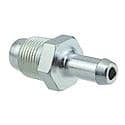
from
$4.99Product Features:
- Designed to meet or exceed OE specifications for fit, form and function
- O-rings or seals are included if required for installation
- Extensive design validation testing and 100% end-of-line tested
- Carquest Vehicle Solutions Technical Support available from ASE certified technicians: 1-866-687-5413