2016 Toyota 4Runner Accelerator Pedal Sensors
Keeping your 2016 Toyota 4Runner running smoothly means paying attention to all the little details, including your accelerator pedal sensor. This vital component helps ensure your vehicle responds accurately when you hit the gas, but like any part, it can wear out over time. To maintain it, keep an eye out for signs of failure, such as unresponsive acceleration, erratic throttle behavior, or a dashboard warning light that won’t quit. Regularly checking for dirt or debris around the sensor area can also help extend its lifespan. So, if you start noticing any of these symptoms, it might be time to consider a replacement to keep your ride performing at its best!
Essential Accelerator Pedal Sensor Maintenance for Your 2016 Toyota 4Runner
If you own a 2016 Toyota 4Runner, you know how important it is to keep it running smoothly, and that includes paying attention to vital components like the accelerator pedal sensor. This little gadget plays a big role in how your vehicle responds to your foot’s demands, ensuring a seamless driving experience. Whether you’re looking to replace a worn-out sensor or upgrade to a more efficient option, Advance Auto Parts has got you covered. Maintaining your accelerator pedal sensor not only enhances performance but also promotes better fuel efficiency. Plus, shopping with us means you gain access to high-quality parts from trusted brands, so you can DIY with confidence, knowing you’re installing reliable components that keep your 4Runner performing at its best.
Cost of Accelerator Pedal Sensors for Your 2016 Toyota 4Runner
At Advance Auto Parts, you’ll find a selection of Accelerator Pedal Sensors that cater to your DIY repair needs, all priced at $482.99. While that may seem steep, it’s a solid investment to ensure your vehicle’s performance is up to par. We carry trusted brands known for their reliability and durability, so you can confidently tackle that project and get back on the road without compromising on quality. Whether you’re replacing a worn-out sensor or upgrading for better responsiveness, our variety is designed to meet your automotive needs.
Complete Your 2016 Toyota 4Runner Accelerator Pedal Sensor Job with the Right Tools and Parts
When diving into the replacement of accelerator pedal sensors, it’s a good idea to have a few related products on hand, such as electrical contact cleaners and dielectric grease to ensure a solid connection and prevent corrosion. You may also need a multimeter to check the sensor’s function before and after installation. As for tools, having a socket set, screwdrivers, and possibly a trim removal tool can make the job much smoother. Always remember to disconnect the battery before you start any work to avoid any electrical mishaps, and wear safety goggles to protect your eyes from debris. With the right tools and precautions, you’ll have your vehicle running smoothly in no time!
Accelerator Pedal Sensors for Your 2016 Toyota 4Runner
Carquest Premium – Accelerator Pedal Sensor (Part No.PPE1512)
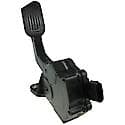
from
$499.99Product Features:
- Computer-Aided Design (CAD), laser scanning and 3D printing – utilizing Fused Deposition Modeling (FDM) and Stereolithography (SLA) – in the part design process ensures speed-to-market and a precise fit guaranteed.
- Robust circuit board design increases durability due to heat, shock, and random electro-magnetic pulses (EMP) and power spikes.
- 100% thermo-shock and vibration tested to ensure superior performance in extreme conditions.
- 100% end-of-line tested to ensure accurate signal output providing product reliability, every time.